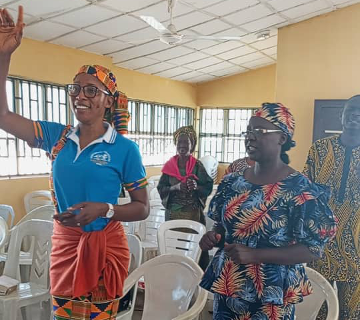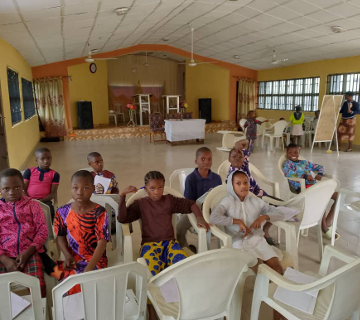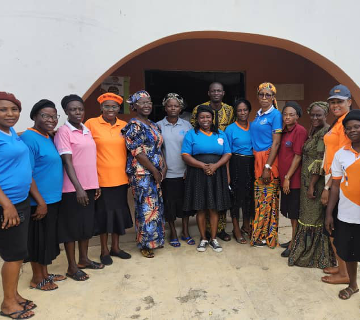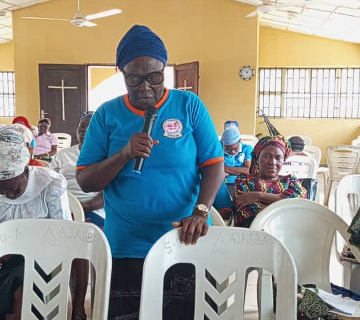
Introduction: Adventist Women in Nigeria
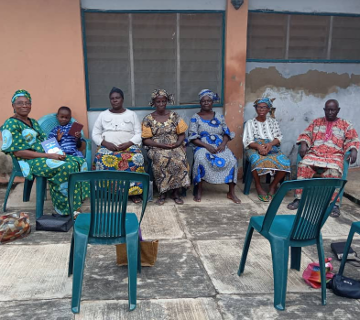
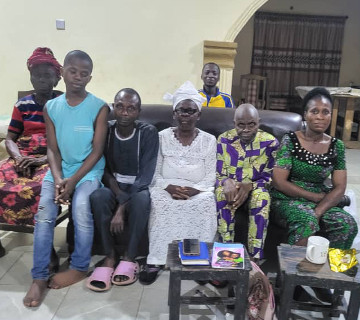
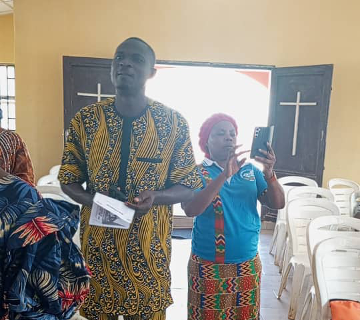
From the early days of the Adventist Church in Nigeria, women have played a vital role in advancing the gospel and nurturing communities in Christ. Rooted in the Great Commission, Jesus said, “Go ye into all the world and preach the gospel to every creature” (Mark 16:15). Adventist women in Nigeria have embraced this call wholeheartedly, serving as faithful witnesses of Christ’s love across towns, cities, and villages.
Their ministry spans spiritual, educational, and social spheres, demonstrating the holistic mission of the church. They lead Bible studies, organize health evangelism programs, teach Sabbath school classes, and counsel families in need. Through their actions, they embody Proverbs 31:26–27: "She opens her mouth with wisdom, and in her tongue is the law of kindness. She looks well to the ways of her household."
Adventist women are also champions of community service. They reach out to the marginalized, care for the sick, mentor youth, and equip others for leadership. This mirrors the biblical model of servant leadership shown by Jesus, who washed the disciples’ feet (John 13:14–15) and called His followers to serve one another in humility and love.
- Faithful Ministry: Leading prayer groups, Bible study circles, and evangelistic outreach.
- Education & Mentorship: Guiding children and youth in spiritual growth and academic excellence.
- Healthcare & Welfare: Organizing health seminars, maternal care initiatives, and community support.
- Leadership & Empowerment: Developing women leaders within church and society.
In Nigeria, Adventist women continue to uphold the Adventist message of hope, health, and holistic living, shining as lights in their communities (Matthew 5:14–16). Their unwavering faith and commitment to God’s mission inspire generations to follow Christ faithfully.
1) Historical Journey of Adventist Women in Nigeria
The story of Adventist women in Nigeria is one of faith, perseverance, and transformative service. From the earliest days of the church’s establishment in West Africa, women have been instrumental in spreading the gospel, supporting mission work, and nurturing communities in Christ. As it is written, "Many women were there, looking on from afar, who had followed Jesus from Galilee, ministering to Him" (Mark 15:41). This biblical precedent has inspired generations of Nigerian Adventist women to engage in active ministry.
The Adventist Church first arrived in Nigeria in the late 19th and early 20th centuries. Missionaries brought not only the message of salvation but also the call for women to serve God in practical and spiritual ways. Nigerian women responded by teaching in mission schools, leading prayer groups, and participating in evangelistic campaigns. They became pillars in both the spiritual and social development of their communities.
Over the decades, Adventist women in Nigeria expanded their influence through organized ministries. Women's missionary societies were established to mobilize resources, train leaders, and reach remote villages. These women exemplified Proverbs 31:20: "She opens her hand to the poor, yes, she reaches out her hands to the needy."
Key Milestones:
| Year | Event / Milestone | Impact on Adventist Women’s Ministry |
|---|---|---|
| 1914 | First Adventist missionaries arrived in Nigeria | Women participated in evangelism, teaching, and church support. |
| 1920s | Formation of women’s missionary societies | Mobilized women for Bible study, prayer, and outreach. |
| 1950s | Adventist schools and hospitals began to involve women in leadership | Expanded influence in education, health, and administration. |
| 1980s | National Adventist women’s conferences organized | Strengthened mentorship, training, and leadership development. |
| 2000s – Present | Women leading community evangelism, media ministries, and social projects | Empowering future generations, promoting holistic mission work. |
Today, Adventist women in Nigeria continue this legacy, balancing spiritual leadership with practical service. They embody Christ’s servant leadership, following His example of love, compassion, and empowerment (Matthew 20:26–28). Their historical journey is a testament to God’s faithfulness and a beacon of hope for the next generation of women in ministry.
2) Roles and Contributions in Ministry
Adventist women in Nigeria have been pivotal in advancing the mission of the church. Their ministries reflect Christ-centered service, grounded in Scripture, as seen in Galatians 5:13: "Through love serve one another." Nigerian Adventist women embrace diverse roles, serving God and humanity with dedication, compassion, and leadership.
Key Roles of Adventist Women:
- Evangelism & Outreach: Women organize community Bible studies, health seminars, and evangelistic campaigns, sharing the hope of Christ with those in need (Mark 16:15).
- Children’s and Youth Ministries: Leading Sabbath schools, Bible clubs, and youth mentorship programs, they nurture the faith of the next generation (Proverbs 22:6).
- Health & Social Ministry: Women coordinate health outreach, maternal care, nutrition programs, and welfare initiatives, exemplifying Christ’s compassion for the suffering (Matthew 25:35-36).
- Education & Mentorship: They serve as teachers, counselors, and mentors, promoting literacy, vocational skills, and spiritual growth (2 Timothy 2:2).
- Leadership & Administration: Women lead in church boards, committees, and conferences, contributing to decision-making and strategic planning in the Adventist Church (Romans 12:8).
- Media & Communication: Adventist women engage in digital evangelism, writing, radio programs, and social media outreach to spread the gospel nationwide (Psalm 96:3).
Impact in Ministry:
| Area of Ministry | Activities | Scriptural Foundation | Impact |
|---|---|---|---|
| Evangelism | Community Bible studies, house-to-house visitation | Mark 16:15 | Thousands introduced to Christ; strengthened local congregations |
| Children & Youth | Sabbath schools, Bible clubs, youth mentorship | Proverbs 22:6 | Raised spiritually grounded youth and future leaders |
| Health & Social Ministry | Free medical outreach, maternal health, counseling | Matthew 25:35-36 | Improved community wellness and holistic care |
| Education & Mentorship | Teaching, skill training, mentorship programs | 2 Timothy 2:2 | Empowered women and youth with spiritual and practical knowledge |
| Leadership | Committee and conference leadership, administration | Romans 12:8 | Strengthened church governance and strategic planning |
| Media & Communication | Writing, radio, online evangelism, social media | Psalm 96:3 | Expanded gospel reach across Nigeria and beyond |
Through these roles, Adventist women in Nigeria not only serve the church but also bear witness to Christ’s love in every sector of society. Their contributions demonstrate the transformative power of faithful service and exemplify Proverbs 31:26: "She opens her mouth with wisdom, and the teaching of kindness is on her tongue."
3) Notable Adventist Women in Nigeria
Throughout Nigeria, Adventist women have made remarkable contributions to ministry, education, healthcare, and community development. Their lives reflect Christ’s love, obedience to Scripture, and commitment to spreading the gospel. As Proverbs 31:25-26 reminds us, "She is clothed with strength and dignity; she can laugh at the days to come. She speaks with wisdom, and faithful instruction is on her tongue."
Prominent Figures and Their Impact:
- Sister Grace Eze: Known for her leadership in women’s ministries, organizing national evangelistic campaigns and mentorship programs for young women.
- Dr. Mary Okonkwo: A pioneer in Adventist healthcare, establishing maternal and child clinics in underserved regions.
- Mrs. Esther Adeyemi: Instrumental in children’s ministries, developing Sabbath school curricula and Bible clubs that reach thousands of children annually.
- Rev. (Mrs.) Ruth Abiola: A conference-level leader, she has influenced church administration and promoted women's participation in leadership roles.
- Professor Cecilia Nwosu: An academic leader in Adventist universities, empowering young women through education and vocational training.
- Mrs. Faith Udo: Media evangelist and author, using radio, social media, and publications to spread biblical truth and health messages.
Key Areas of Contribution:
| Name | Field of Impact | Activities | Scriptural Inspiration |
|---|---|---|---|
| Grace Eze | Women’s Ministries | National evangelism campaigns, mentorship programs | Galatians 5:13 |
| Mary Okonkwo | Healthcare | Maternal & child clinics, community health outreach | Matthew 25:35-36 |
| Esther Adeyemi | Children’s Ministries | Sabbath school programs, Bible clubs | Proverbs 22:6 |
| Ruth Abiola | Church Leadership | Conference administration, leadership mentorship | Romans 12:8 |
| Cecilia Nwosu | Education | University leadership, vocational and academic training | 2 Timothy 2:2 |
| Faith Udo | Media & Evangelism | Radio programs, publications, social media ministry | Psalm 96:3 |
These women exemplify how faith, dedication, and service can transform communities and strengthen the church in Nigeria. Their lives bear witness to the Adventist commitment to Christ, service, and holistic development, inspiring the next generation of leaders and ministry workers.
3) Education and Leadership Development
Education has always been a cornerstone of the Seventh-day Adventist Church worldwide, and in Nigeria, Adventist women have played a vital role in advancing both academic and spiritual learning. From grassroots literacy programs to leadership in universities and healthcare institutions, Adventist women are helping shape the minds and hearts of future generations. Their journey demonstrates how knowledge, coupled with faith, can lead to empowered communities that glorify God.
The Role of Education in Empowering Women
Adventist women in Nigeria understand that education is not just about academics; it is a spiritual calling. With the biblical foundation found in Proverbs 4:7 — "Wisdom is the principal thing; therefore get wisdom: and with all thy getting get understanding" — they view learning as a tool to prepare leaders for the service of God and humanity. Through schools, vocational centers, and health training programs, Adventist women have opened doors for thousands of girls and women who might otherwise be left behind.
Leadership Development in the Church
Leadership development is another significant contribution of Adventist women. Women’s Ministries across local conferences and unions organize workshops, retreats, and seminars designed to equip women with leadership skills. These programs emphasize biblical stewardship, organizational management, family life, and evangelism. Such initiatives have raised a generation of women who can confidently serve in roles as teachers, nurses, administrators, children’s ministry leaders, and even media evangelists.
Notable Initiatives and Institutions
- Babcock University (Ilishan-Remo): Adventist women serve as professors, deans, and administrators, mentoring young female students into spiritual and professional leadership.
- Adventist Women’s Leadership Seminars: Annual gatherings that focus on equipping women in conflict resolution, financial literacy, and church administration.
- Community-Based Schools: Rural Adventist schools founded by women have helped reduce illiteracy rates while integrating Bible knowledge into daily learning.
- Health Worker Training: Adventist nurses and midwives have pioneered training centers that equip young women with practical healthcare skills and a heart for service.
Scriptural Foundation for Women’s Growth
The encouragement for women’s education and leadership development is deeply rooted in Scripture. Verses such as 2 Timothy 2:15 ("Study to show yourself approved unto God…") and Philippians 4:13 ("I can do all things through Christ who strengthens me") inspire Adventist women to pursue excellence. Their growth is not only personal but contributes to the strengthening of the entire church body.
Impact on Society
By promoting education and leadership development, Adventist women in Nigeria have become role models beyond the church. Many serve as school principals, public health officials, and leaders in community development organizations. Their influence is felt in national educational policies, youth mentoring initiatives, and programs that empower disadvantaged groups.
“When you educate a woman, you educate a nation. When you educate an Adventist woman, you prepare a disciple who uplifts her family, church, and community in Christ.”
The story of Adventist women in education and leadership is a testament to resilience, faith, and vision. As Nigeria faces challenges of unemployment, illiteracy, and moral decline, the efforts of these women stand as a beacon of hope. Their mission aligns with the Adventist call to prepare the world for Christ’s second coming through holistic development and service.
4) Nigeria Adventist Women in Healthcare and Community Service
Healthcare and community service are two of the strongest areas where Nigerian Adventist women have made lasting contributions. Their involvement reflects the Seventh-day Adventist Church’s global emphasis on medical missionary work, compassion-driven service, and holistic health as taught in the Bible and reinforced by the writings of Ellen G. White. From hospitals and clinics to rural outreach and lifestyle education, Adventist women have become pillars of hope and healing in Nigerian society.
Biblical and Spiritual Foundation
The ministry of healing is central to the gospel. Jesus Himself said, “I was sick and you looked after me” (Matthew 25:36). This text inspires Adventist women to combine medical care with spiritual compassion. In line with 3 John 1:2 — “Beloved, I wish above all things that thou mayest prosper and be in health” — Nigerian Adventist women promote wellness not only of the body, but also of the mind and soul.
Adventist Women in Healthcare Institutions
- Babcock University Teaching Hospital (Ilishan-Remo): Adventist women serve as doctors, nurses, midwives, dietitians, and administrators. Their service is marked by integrity, excellence, and a commitment to spiritual care alongside medical treatment.
- Community Clinics and Rural Health Posts: Many Adventist women lead small clinics, especially in underserved communities, providing maternal care, immunizations, and primary healthcare where government services are scarce.
- Adventist Health Workers in Public Service: Nigerian Adventist women also hold positions in government hospitals, public health agencies, and NGOs, where they serve as voices of faith-based integrity and advocates for quality healthcare.
Community Service and Humanitarian Impact
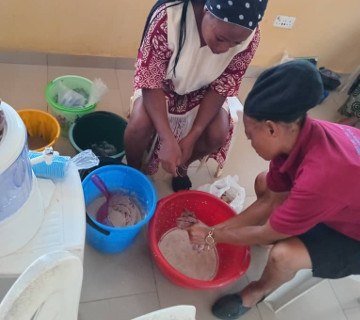
Beyond the hospital walls, Nigerian Adventist women have shown extraordinary commitment to community service. Through Adventist Women’s Ministries, they organize medical outreach programs, free health screenings, food drives, and skills-acquisition training for widows and vulnerable families. These initiatives mirror Christ’s method of mingling with people, meeting their needs, and leading them to salvation.
Health Education and Lifestyle Promotion
A major contribution of Adventist women lies in promoting the Adventist health message — vegetarian nutrition, temperance, exercise, and trust in God. Women serve as health educators in churches, schools, and communities, teaching preventive health measures such as:
- Nutrition and cooking classes promoting wholesome, plant-based diets.
- Seminars on lifestyle diseases such as hypertension, diabetes, and obesity.
- Awareness campaigns on drug abuse, alcoholism, and the dangers of tobacco.
- Women’s health talks addressing maternal health, cancer prevention, and family life education.
Response During National Crises
Nigerian Adventist women have also stepped up during times of crisis. During epidemics such as Ebola and COVID-19, they mobilized to distribute masks, hygiene supplies, food items, and spiritual encouragement to affected communities. Their dedication to service during such difficult times has won admiration and respect across faith boundaries.
Testimonies of Impact
“Adventist women are not only caregivers; they are community builders. Through their hands, families are healed, children are nurtured, and entire communities experience God’s love in practical ways.”
Legacy and Future Prospects
As healthcare challenges continue to grow in Nigeria, the role of Adventist women remains critical. Their commitment to holistic healing — body, mind, and spirit — ensures that the church continues to be a light in the nation. With more investment in medical education, missionary training, and leadership development, Nigerian Adventist women are poised to expand their impact in shaping healthier, stronger communities in the years ahead.
5) Youth Engagement and Mentorship
One of the most enduring legacies of Nigerian Adventist women is their investment in youth engagement and mentorship. Recognizing that young people are the future of the church and society, Adventist women have consistently taken the lead in nurturing spiritual growth, developing leadership skills, and guiding youth into meaningful service for God and humanity.
Biblical and Spiritual Foundation
The Bible strongly emphasizes guiding and mentoring the younger generation. Proverbs 22:6 instructs, “Train up a child in the way he should go, and when he is old, he will not depart from it.” Similarly, in Titus 2:3–5, older women are encouraged to teach the younger women by example. Nigerian Adventist women live out these scriptures by shaping young Adventists into responsible leaders, professionals, and disciples of Christ.
Mentorship Programs
- Church-Based Mentorship: Women in ministries guide youths in Bible study, prayer life, evangelism, and practical Christian living. They act as spiritual mothers, ensuring that no young person feels neglected in the church family.
- Educational Support: Adventist women’s groups often provide scholarships, textbooks, and tuition aid to struggling students. These initiatives reduce financial barriers and encourage youths to pursue academic excellence.
- Vocational and Career Mentoring: Experienced Adventist women professionals mentor young men and women in medicine, nursing, business, education, and ministry — equipping them with both technical skills and moral values.
Youth Engagement in Ministry
Nigerian Adventist women intentionally engage young people in ministry. Whether through Adventist Youth Ministry (AYM), Pathfinders, or campus fellowships, women play a vital role in encouraging youth participation in church programs. They promote inclusiveness by creating platforms where youth can preach, sing, lead discussions, and organize missionary projects.
Life Skills and Personal Development
Beyond spiritual growth, Adventist women’s mentorship programs extend to equipping young people with life skills such as:
- Public speaking, leadership training, and team-building skills.
- Workshops on entrepreneurship, financial management, and vocational trades.
- Guidance on relationships, marriage preparation, and family life education.
- Resilience and coping strategies for facing challenges in a secular world.
Community and Social Engagement
Many Nigerian Adventist women mentor youth by involving them in community service projects. These include medical outreach, orphanage visits, environmental clean-ups, and rural evangelism. This hands-on mentorship helps youth develop compassion, responsibility, and leadership qualities while leaving a positive impact on society.
Testimonies of Transformation
“If not for the mentoring of Adventist women leaders, many of us youths would have drifted away. They guided us through education, encouraged us in ministry, and helped us find purpose in Christ.” – Testimony from an Adventist youth leader, South-West Nigeria.
Challenges and Opportunities
Despite their successes, challenges such as peer pressure, social media influence, unemployment, and declining youth interest in spiritual activities remain. Adventist women are responding by adopting innovative mentorship models — including digital discipleship, online Bible studies, and virtual support groups. This ensures continued relevance and connection with today’s tech-savvy youth.
Legacy and Future Impact
The mentorship legacy of Nigerian Adventist women continues to bear fruit. Many church leaders, pastors, health professionals, and educators testify that their foundation was laid by the encouragement of women mentors. As the Nigerian church grows, the consistent empowerment of youth through mentorship will ensure a vibrant, Spirit-filled generation that carries the Adventist message of hope forward.
6) Challenges Faced by Adventist Women
Nigerian Adventist women serve Christ with courage in the midst of real pressures—economic, cultural, logistical, and spiritual. Yet the gospel assures us, “I can do all things through Christ who strengthens me” (Philippians 4:13). Rooted in Jesus, guided by Scripture, renewed each Sabbath, and empowered by the Holy Spirit, women overcome obstacles and advance the mission to prepare a people for the Lord’s soon return (Revelation 14:6–12; Titus 2:11–13).
1) Spiritual Pressures & Discouragement
The pace of life, financial anxiety, and social media distractions can erode devotion, sap joy, and create spiritual dryness. Christ invites His daughters: “Come unto Me…and I will give you rest” (Matthew 11:28–30).
- Gospel Response: Daily time with Jesus—Word, prayer, and praise—renewed weekly in Sabbath rest (Hebrews 4:9–11; John 15:5).
- Practical Helps: 20–20–20 plan (Word–Prayer–Praise); prayer partners; midweek fellowship; journaling answered prayers.
2) Cultural Expectations & Gender Bias
In some settings, women’s gifts are overlooked in leadership, preaching, and public ministry. But Christ affirmed and sent women as witnesses (John 20:17–18; Luke 8:1–3). In Christ’s body, gifts are distributed by the Spirit for ministry (1 Corinthians 12).
- Gospel Response: Model Christ’s approach—dignify, disciple, and deploy women for mission (Acts 2:17–18; Galatians 3:28).
- Practical Helps: Clear ministry roles; mentorship pipelines; skills training (homiletics, Bible work, media, leadership).
3) Economic Hardship & Limited Opportunity
Rising costs, unstable income, and limited capital affect families and restrict mission mobility. Proverbs 31 portrays a woman who plans, saves, invests, and blesses others.
- Gospel Response: Stewardship with faith and integrity (Malachi 3:10; 2 Corinthians 9:8).
- Practical Helps: Ajo/Esusu savings groups; microenterprise training; church benevolence & scholarship funds; budgeting tools.
4) Family Pressures, Caregiving & Time Constraints
Balancing marriage, parenting, elder care, work, and ministry can lead to fatigue and guilt. Jesus invites us to seek first His kingdom and receive ordered priorities (Matthew 6:33).
- Gospel Response: Make the home a worship center—morning & evening family worship; Sabbath rhythms; shared household responsibilities.
- Practical Helps: Weekly planning; ministry teams that rotate duties; childcare support during outreach; boundary & rest practices.
5) Health, Maternal Care & Burnout
Many women carry hidden health burdens—anemia, hypertension, post-partum challenges, and chronic stress. The Adventist health message calls us to wholistic living and trust in God (3 John 2; 1 Corinthians 6:19–20).
- Gospel Response: Practice NEWSTART principles (Nutrition, Exercise, Water, Sunlight, Temperance, Air, Rest, Trust in God).
- Practical Helps: Health screenings at church; maternal classes; counseling referral networks; rest days; peer support circles.
6) Safety, Transportation & Field Logistics
Late travels, unsafe roads, and long distances to rural fields can hinder women’s involvement in outreach. Wisdom plans ahead (Proverbs 22:3) while trusting God’s protection (Psalm 121).
- Gospel Response: Go two-by-two (Mark 6:7); pray and plan; seek the peace and safety of the city (Jeremiah 29:7).
- Practical Helps: Group travel; designated drivers; daylight scheduling; centralized pickup (e.g., church bus); contact & check-in protocols.
7) Education Gaps & Digital Divide
Unequal access to formal education or digital tools can limit ministry, entrepreneurship, and discipleship reach. Scripture esteems growth in wisdom and understanding (Proverbs 4:7; Hosea 4:6).
- Gospel Response: Equip women to teach and learn (2 Timothy 2:2).
- Practical Helps: Literacy & ICT classes; device-sharing libraries; church media labs; online Bible courses; grant & scholarship pathways.
8) Social Pressures & Misunderstandings about Adventist Faith
Sabbath-keeping, lifestyle practices, and Adventist beliefs may be misunderstood by neighbors, employers, or extended family.
- Gospel Response: Gentle, respectful apologetics; live the truth in love (1 Peter 3:15; Colossians 4:6).
- Practical Helps: Workplace letters for Sabbath accommodation; community open-days; health & family seminars as bridges for witness.
9) Emotional Wellbeing: Anxiety, Grief & Isolation
Hidden battles—loneliness, grief, marital strain—can weigh heavily on women in ministry. The Lord is near to the brokenhearted (Psalm 34:18).
- Gospel Response: Lament and hope in Christ (Psalms; Romans 15:13); mutual care in the body (Galatians 6:2).
- Practical Helps: Trained lay counselors; referral to Christian therapists; confidential prayer lines; grief support groups.
10) Youth Retention, Peer Pressure & Media Saturation
Young women face online temptations, identity pressures, and skepticism toward faith.
- Gospel Response: Mentor the next generation (Titus 2:3–5; 1 Timothy 4:12).
- Practical Helps: Pathfinder/AYM leadership for girls; media literacy workshops; safe online communities; service-learning projects.
Challenge-to-Ministry Matrix
| Key Challenge | Christ-Centered Response | Practical Steps | Scripture Anchor |
|---|---|---|---|
| Spiritual Dryness | Abide in Christ daily | 20–20–20 devotion; prayer partners | John 15:5; Psalm 63:1 |
| Gender Bias | Honor Spirit-given gifts | Mentorship; role clarity; training | Acts 2:17–18; 1 Cor 12 |
| Economic Strain | Stewardship & generosity | Women’s savings groups; budgeting | Prov 31; 2 Cor 9:8 |
| Family Overload | Seek first God’s kingdom | Shared tasks; Sabbath rhythm | Matt 6:33; Prov 31:27 |
| Health & Burnout | Wholistic living | NEWSTART; screenings; rest | 3 John 2; 1 Pet 5:7 |
| Safety & Travel | Wisdom & prayerful planning | Group travel; daylight scheduling | Prov 22:3; Psalm 121 |
| Digital Divide | Teach and entrust others | ICT classes; device libraries | 2 Tim 2:2; Prov 4:7 |
| Misunderstood Beliefs | Gentle, clear witness | Open-days; community seminars | 1 Pet 3:15; Col 4:6 |
| Emotional Pain | Christ’s comfort & hope | Support groups; counseling | Psalm 34:18; Rom 15:13 |
| Youth Pressures | Mentor & model faith | Pathfinders; service projects | Titus 2:3–5; 1 Tim 4:12 |
Action Checklist for Women’s Ministries
- Launch a prayer–mentorship chain (older to younger women) for weekly check-ins.
- Establish a savings & micro-grants fund for widows, students, and microenterprises.
- Schedule quarterly health screening & NEWSTART workshops for church and community.
- Create a safe-travel protocol for all outreach teams (contacts, drivers, daylight windows).
- Host apologetics & beliefs open-day to gently explain Sabbath, health message, and hope.
- Run digital literacy labs for Bible study tools, online evangelism, and safe media habits.
- Form grief & care groups with trained lay counselors and referral pathways.
Scripture Promises to Stand On
Prayer
7) Success Stories and Inspirational Leaders
The story of Adventist women in Nigeria is written not only in institutions but in lives transformed by Christ. These success stories are Christ-centered testimonies: women who trusted God, served their neighbours, and through faith and perseverance multiplied spiritual fruit. As Scripture encourages, “Let your light so shine before men” (Matthew 5:16) — and these leaders did just that.
Transformational Case Studies (Anonymized)
Case Study — "Market Stall to Church Plant"
Context: A market woman with a small stall saw many neighbours struggling spiritually and materially.
Action: She began a simple weekly Bible circle after market hours, invited neighbours, taught basic health tips, and organized a savings group (ajo) to help members with seed capital.
Outcome: Within 18 months the Bible circle became a regular Sabbath group; several families were baptized; a small fellowship hall was raised by communal giving. The savings group spawned two micro-enterprises and increased financial stability.
- Lessons: Start small, meet practical needs, follow up spiritually, and multiply leaders from within the group.
- Scripture Anchor: Matthew 25:35–36 (serve the hungry and needy).
Case Study — "Clinic Outreach to Community Trust"
Context: In a semi-rural district, maternal and child mortality was high and trust in formal healthcare was low.
Action: A team of Adventist women nurses started monthly free antenatal clinics, home visits, and short health seminars that combined medical checks with brief Bible devotionals and prayer.
Outcome: Attendance at clinics grew, vaccination rates improved, mothers formed support groups, and many attendees requested Bible studies — several eventually joined the local church.
- Lessons: Integrate physical care with spiritual care; health evangelism opens doors for the gospel.
- Scripture Anchor: 3 John 1:2 (wishing prosperity and health).
Case Study — "School Desk to Leadership Desk"
Context: A bright girl from a poor home benefitted from an Adventist school scholarship.
Action: Mentored by women teachers, she completed secondary school, then nursing college, and returned to serve as a health educator and later a school administrator.
Outcome: She now leads literacy and life-skills programs for girls in her town and helps place graduates in jobs.
- Lessons: Invest in education and mentorship; recipients often become multiplier leaders.
- Scripture Anchor: Proverbs 22:6 (train up a child).
Case Study — "Radio Voice to Regional Bible Groups"
Context: A woman with training in media used local radio and WhatsApp to broadcast short Bible lessons and health tips during lockdowns.
Action: She invited listeners to join free online and small-group follow-ups; volunteer teams called listeners, prayed with them, and arranged home visits where safe.
Outcome: A network of Bible study groups multiplied across three neighbouring towns; leaders were trained and commissioned for home-to-home visitation.
- Lessons: Use accessible media, follow up with personal contact, and train local leaders fast.
- Scripture Anchor: Acts 1:8 (witness locally and beyond).
Profiles of Inspirational Leaders (Pseudonyms / Composite Profiles)
| Name (Pseudonym) | Role | Area of Impact | Leadership Traits |
|---|---|---|---|
| Sister Aisha (pseud.) | Women’s Ministries Coordinator | Women's empowerment, microfinance groups | Relational, strategic, servant-hearted |
| Dr. Grace (pseud.) | Public Health Nurse & Trainer | Maternal health, community clinics | Compassionate, practical, resilient |
| Mrs. Miriam (pseud.) | Headteacher | Education, scholarship programs | Visionary, patient, mentor |
| Miss Esther (pseud.) | Media Evangelist | Radio ministry, social media discipleship | Creative, digitally fluent, bold |
| Pastor (Mrs.) Joy (pseud.) | Conference Administrator | Leadership training, pastoral care | Organized, prayerful, equipping |
| Ms. Folashade (pseud.) | Entrepreneur & Mentor | Vocational training, youth apprenticeships | Practical, generous, empowering |
Note: The profiles above are composite sketches created from common success patterns among Adventist women leaders in Nigeria. They are intended to inspire replication rather than to profile specific living individuals.
Leadership Principles Observed
- Christ-first Leadership: Every initiative kept Christ and Scripture at its centre (Colossians 1:18).
- Holistic Service: Spiritual care paired with practical help (Matthew 25:35–36).
- Reproducible Models: Programs focused on training others so work multiplied quickly (2 Timothy 2:2).
- Community-Rooted: Solutions addressed felt needs — health, income, education — before inviting deeper spiritual conversation.
- Accountability & Stewardship: Transparent finances and shared governance built trust.
Replication Toolkit — How to Reproduce These Successes Locally
- Assess the Need: Simple community survey (5 questions) to identify top three needs (health, jobs, children’s programs).
- Form a Core Team: 6–12 women representing different ages and skills — pray, plan, and commit to short-term pilots.
- Design a Small Pilot: 8–12 week program (health clinic, Bible study, savings group) with clear outcomes.
- Train Leaders: Use a 2-day training (discipleship, first-aid basics, group facilitation, safeguarding).
- Measure & Celebrate: Track three KPIs (contacts, participants, follow-ups) and celebrate wins publicly.
- Scale Prayerfully: Expand successful pilots to neighbouring communities and train new leaders to lead them.
Mentorship Model — 12-Month Roadmap (Sample)
| Month | Focus | Activities | Expected Outcome |
|---|---|---|---|
| 1 | Assessment & Prayer | Community listening, prayer gatherings, team selection | Clear mission focus & motivated team |
| 2 | Leader Training | 2-day workshop (facilitation, discipleship, safeguarding) | 12 trained local leaders |
| 3–4 | Pilot Program | Run an 8-week health or literacy pilot with follow-up | Validated model & initial beneficiaries |
| 5–6 | Multiply | Train new cohorts, start a second site | Program replicated in nearby community |
| 7–8 | Consolidate | Monitoring visits, mentorship, adjustments | Improved quality and stronger leaders |
| 9–10 | Community Integration | Partner with schools, clinics, markets | Broader community ownership |
| 11 | Report & Celebrate | Gather testimonies; public thanksgiving | Raised morale & donor confidence |
| 12 | Plan Next Year | Strategic planning & leadership handover where appropriate | Sustainable ministry plan |
Measuring Impact — Suggested KPIs
- Contacts made: Number of people reached in outreach (monthly)
- Small groups formed: New Bible study or support groups started
- Baptisms / Decisions: Number of people who make a faith commitment
- Lives served: Health checks, meals, scholarships provided
- Leaders trained: Number of new leaders commissioned
Common Challenges During the Journey & How They Were Overcome
| Challenge | Mitigation |
|---|---|
| Limited funds | Small-group saving schemes, local fundraising events, transparent accounting |
| Volunteer burnout | Rotation of duties, periodic rest, appreciation events, shared leadership |
| Community mistrust | Start with practical help, involve local leaders, be consistent and visible |
| Leadership gaps | Fast-track training, peer-mentoring, partnership with conference trainers |
| Safety & logistics | Group travel plans, daylight scheduling, local liaison persons |
Call to Action
If these stories inspire you, consider one or more of the following:
- Pray for women leaders across Nigeria and for multiplying disciples (James 5:16).
- Volunteer your skills — training, accounting, health screening, child care.
- Give seed funds for a pilot program or a scholarship for a promising young woman.
- Partner with a local Adventist women’s group to run a 12-month mentorship roadmap.
Scripture to Remember
Prayer
8) Future Opportunities for Growth and Impact
The future for Adventist women in Nigeria is bright because it is rooted in the mission of Jesus: “Go therefore and make disciples of all nations” (Matthew 28:19). Guided by the hope of Christ’s return (Titus 2:13) and the Three Angels’ Messages, there are strategic, practical and Christ-centered opportunities to expand gospel witness, strengthen communities, and develop sustainable ministries that honor God and uplift our nation.
Strategic Priority Areas
- Church Planting & Community Evangelism — intentional church-planting teams led by women, with short-term evangelistic campaigns followed by home-based follow-ups and small-group discipleship.
- Youth Leadership Pipelines — structured mentorship and leadership tracks to equip young women for public ministry, counseling, and professional service.
- Women’s Economic Empowerment — savings groups (ajo/esusu), vocational training, and microenterprise incubation integrated with Bible study and stewardship teaching.
- Education & Scholarship Expansion — more scholarships for girls, teacher training, and after-school literacy projects that pair academic support with spiritual formation.
- Health & Preventive Ministry — scale health evangelism (NEWSTART), mobile clinics, maternal-child programs, and mental health support networks.
- Digital Evangelism & Media — expand WhatsApp ministries, local-language radio, livestreamed Bible study, and online courses designed for Nigerian contexts.
- Partnerships & Advocacy — work with NGOs, local government, and faith networks for poverty alleviation, maternal health, and girls’ education.
- Creation Care & Sustainable Agriculture — church gardens, agro-entrepreneur training, and education on stewardship and food security.
Program Models & Sample Initiatives
1. Church Planting Micro-Project
- Duration: 6–12 months pilot
- Core Activities: community survey → evangelistic series → follow-up Bible studies → small-group formation → leader commissioning
- Key Partners: local conference, Women’s Ministries, youth volunteers
- Quick Win KPI: 6–12 regular attendees; 1–3 baptized members; 2 local leaders trained
2. Women’s Economic Empowerment Hub
- Duration: ongoing
- Core Activities: vocational training (tailoring, ICT, catering), startup micro-grants via church savings, business mentorship
- Impact KPI: 30 women trained/year; 10 micro-enterprises started; 70% income increase for participants within 12 months
3. Mobile Health & Maternal Care Unit
- Duration: quarterly outreaches
- Core Activities: antenatal clinics, immunization referrals, nutrition classes, NEWSTART workshops
- Impact KPI: 200 screenings/outreach; 80% follow-up compliance to referrals
4. Digital Discipleship Track
- Duration: 12-week course repeated
- Core Activities: WhatsApp devotionals, weekly livestream Bible study, online mentorship, localized Bible study content
- Impact KPI: 500 subscribers; 50 active small groups formed via digital sign-ups
12-Month Strategic Roadmap (Sample)
| Months | Focus | Activities | Success Metrics |
|---|---|---|---|
| 1–2 | Assessment & Mobilisation | Community needs mapping, prayer gatherings, form core team | Assessment report; team of 8–12 committed volunteers |
| 3–4 | Training & Pilot Planning | Leader training (weekend), pilot project design, resource mobilisation | 2 pilot plans ready; seed funding identified |
| 5–8 | Pilot Implementation | Run church-plant or health/skills pilot with follow-up | Pilot KPIs (attendance, skills graduates, screenings) |
| 9–10 | Monitor & Adjust | Collect data, refine processes, leadership handover prep | Improved delivery; local leaders mentoring |
| 11–12 | Scale & Sustainability | Launch second pilot, document toolkit, fundraising plan | Replication plan; local budget for Year 2 |
Monitoring & Evaluation — Core KPIs
| Area | Indicator | Collection Method | Review Frequency |
|---|---|---|---|
| Evangelism | Contacts → Studies → Decisions → Baptisms | Interest cards, small-group registers, baptism logs | Monthly |
| Education | Students enrolled, scholarships awarded, graduates placed | School records, scholarship committee report | Termly |
| Health | Number screened, referred, treated; maternal outcomes | Clinic logs, referral notes | Per outreach / Quarterly |
| Women’s Economic | Savings mobilised, businesses started, income change | Savings ledgers, business trackers | Quarterly |
| Digital | Subscribers, engagement rates, group formations | Platform analytics, engagement dashboards | Monthly |
Funding & Sustainability Models
- Community Savings & Rotating Funds: Ajo/esusu groups that seed micro-grants for trainees and entrepreneurs.
- Income-Generating Projects: Small church-run enterprises (bakehouse, tailoring co-op, market garden) where profits sustain programs.
- Partnership Grants: Collaborations with NGOs, local businesses, and philanthropic trusts for project-specific funding.
- Membership Giving & Sponsorship: Local giving campaigns and sponsor-a-student / sponsor-a-mother schemes.
- Conference & Union Support: Apply for matching funds or in-kind support from conference and union budgets for scaling proven pilots.
Capacity Building & Training Plan
- Core Leadership Bootcamp (5 days): discipleship, project design, safeguarding, basic accounting, M&E basics.
- Monthly Skills Clinics: vocational trainers, health professionals, media trainers.
- Digital Literacy Labs: WhatsApp ministry, livestreaming, basic graphic design, e-learning facilitation.
- Peer Mentorship Network: pair emerging leaders with experienced women for 6–12 month coaching cycles.
Digital & Media Strategy
Digital tools multiply limited human resources. A simple, high-impact stack includes:
- WhatsApp devotional groups + follow-up funnels for Bible studies.
- Weekly local-language radio spots promoting health and Scripture.
- Livestreamed Sabbath services and short topical vlogs (5–10 minutes).
- Mobile-friendly mini-courses (4–6 lessons) on discipleship, stewardship, and skills.
Partnerships & Advocacy
Strategic partnerships accelerate impact:
- With government agencies — maternal & child health initiatives, school partnerships.
- With NGOs & CBOs — livelihood programs, grant co-funding, technical expertise.
- With other churches and faith networks — joint community projects that demonstrate Christ’s love and build trust.
Environmental Stewardship & Food Security
Creation care is a ministry opportunity: promote church gardens, tree-planting, and small-scale sustainable farming that feed families and provide vocational training. This aligns stewardship with practical hunger relief and job creation.
Risk Management & Safeguarding
- Ensure safeguarding policies for youth and vulnerable adults.
- Establish travel safety protocols for outreach teams.
- Maintain transparent accounting and simple audit checks for all funds.
- Plan for continuity: cross-train leaders to avoid single-person dependency.
Measuring Return on Mission (ROM)
ROM is not financial only — it measures spiritual, social and economic fruit. Use balanced scorecards combining evangelistic outcomes, improved health indicators, education results and economic resilience measures to evaluate impact.
Example Budget Snapshot (Indicative / Pilot Scale)
| Item | Purpose | Indicative Cost (pilot) |
|---|---|---|
| Leader Training (2 days) | Materials, facilitator honoraria, venue | ₦150,000 |
| Health Outreach (1 day) | Screening supplies, transport, refreshments | ₦120,000 |
| Digital Setup | Basic camera, microphone, WhatsApp data packs | ₦80,000 |
| Seed Capital for Micro-Grants | 10 micro-grants for trainees | ₦300,000 |
| Monitoring & Reporting | Data collection tools, travel | ₦50,000 |
| Total (pilot) | ₦700,000 (indicative) |
Church & Community Roles — Who Does What?
- Local Church: mobilise volunteers, host programs, community follow-up.
- District/Conference: technical training, small grants, M&E support.
- Union & Division: larger grants, policy support, partner introductions.
- External Partners: technical assistance, co-funding, training resources.
Faith & Prayer as the Foundation
All strategy must be bathed in prayer. Spiritual preparation—revival meetings, prayer chains, and personal devotion—opens hearts and aligns plans with God’s will. As Acts 1:14 reminds us, praying together precedes power-filled mission.
Practical Next Steps — A 6-Point Starter Checklist
- Host a 2-day strategy & prayer retreat with key women leaders and youth representatives.
- Conduct a 1-page community needs assessment in 5 target communities.
- Choose one pilot (health, skills, or church plant) and draft a simple 6-month project plan.
- Form a tracking dashboard with 5 KPIs and assign an M&E focal person.
- Seed the pilot with a small local fundraising drive and a savings-circle match.
- Begin weekly online devotionals to mobilize digital follow-up and interest capture.
Conclusion — A Future Rooted in Christ
Opportunities for growth are not merely organizational — they are spiritual invitations to trust God, obey Christ, and serve sacrificially. When Adventist women in Nigeria combine biblical faith with practical plans, the harvest will be abundant. Let us move forward in prayer, wisdom, and courageous action, expecting God to multiply our small offerings for His glory (Mark 4:20).
Prayer
Conclusion: Walking in Faith and Service
The journey of Adventist women in Nigeria is one of faith, resilience, and purposeful service. From their earliest involvement in mission activities to their present-day leadership in education, healthcare, youth mentorship, and evangelism, Nigerian Adventist women continue to embody the biblical calling of being “salt of the earth” and “light of the world” (Matthew 5:13–14). Their lives and ministries demonstrate that service to God extends beyond church walls—it reaches into families, communities, schools, hospitals, and the very fabric of society.
Adventist women in Nigeria have faced numerous challenges—cultural limitations, financial constraints, balancing family responsibilities with ministry, and societal stereotypes. Yet, with Christ at the center, they continue to press forward, modeling the spirit of Proverbs 31 women: industrious, faithful, and compassionate. Their contributions affirm that women are not just helpers in ministry, but partners in mission, called to carry the everlasting gospel to every corner of Nigeria.
Looking ahead, the future is bright. The next generation of Adventist women, empowered by education, technology, and spiritual mentoring, is positioned to expand the impact of the Adventist mission. Women’s Ministries at local churches, district levels, and conferences across Nigeria provide platforms for nurturing leadership, strengthening families, promoting health, and advancing evangelism. Initiatives like youth mentorship programs, healthcare outreaches, literacy projects, and evangelism buses demonstrate the unique role women play in advancing God’s kingdom in practical and transformative ways.
As Nigerian Adventist women walk in faith and service, they remind the church and society that true greatness is not measured by worldly power but by selfless service in Christ’s name. They stand as witnesses of the Blessed Hope, preparing themselves, their families, and their communities for the soon return of Jesus.
In their story, we see not just the resilience of women, but the faithfulness of God. And as they continue to walk in faith and service, they carry forward the legacy of Adventist pioneers while shaping the spiritual and social future of Nigeria.
Frequently Asked Questions
1. Who are Adventist women in Nigeria?
Adventist women in Nigeria are members of the Seventh-day Adventist Church who play vital roles in spiritual life, education, healthcare, community service, and evangelism. They are mothers, professionals, teachers, nurses, Bible workers, and leaders actively involved in spreading the gospel and building stronger communities rooted in faith, hope, and service.
2. What is the mission of Adventist women in Nigeria?
Their mission aligns with the global Seventh-day Adventist Women’s Ministries: to nurture, empower, and reach out to women, children, and families with the love of Christ. Nigerian Adventist women work to uplift others spiritually and socially, reflecting Christ’s compassion as taught in Galatians 6:9–10: “Let us not be weary in well doing... as we have opportunity, let us do good unto all.”
3. How do Adventist women contribute to education?
Education is one of the strongest areas of influence. Adventist women in Nigeria serve as teachers, school proprietors, literacy trainers, and mentors. Through Adventist schools and training centers, they not only provide academic knowledge but also instill Christian values, preparing young people for service to God and humanity.
4. What role do Adventist women play in healthcare?
Nigerian Adventist women are nurses, doctors, midwives, and community health workers serving in Adventist hospitals, clinics, and public health initiatives. They participate in health seminars, free medical outreaches, and lifestyle education, teaching principles of healthy living based on the Bible and Ellen G. White’s writings on health reform.
5. What challenges do Adventist women face in Nigeria?
Some challenges include gender stereotypes, cultural barriers, financial limitations, and balancing family with ministry responsibilities. However, their faith in God strengthens them. They draw courage from promises like Isaiah 41:10: “Fear not, for I am with you; be not dismayed, for I am your God; I will strengthen you, I will help you.”
6. Are Adventist women allowed to preach and lead in Nigeria?
Yes, Adventist women in Nigeria are actively engaged in preaching, teaching, and leading women’s ministries, Sabbath School, youth mentorship, and community initiatives. While the global Adventist Church continues to discuss ordination, women’s leadership and influence in local church growth are widely recognized and respected.
7. How do Adventist women engage the youth?
Through mentorship programs, Pathfinder clubs, Adventist Youth Society (AYS), and leadership training, Adventist women guide young people spiritually, morally, and professionally. They emphasize purity, faith, and excellence, reminding the youth of 1 Timothy 4:12: “Let no man despise thy youth; but be thou an example of the believers.”
8. How can non-Adventist women participate in their programs?
Many outreach activities—such as health seminars, family life programs, vocational training, and women empowerment workshops—are open to all women regardless of denomination. These programs provide spiritual and practical support, creating opportunities for friendship and sharing the gospel.
9. What future opportunities exist for Adventist women in Nigeria?
With growing access to education, technology, and international mission partnerships, Adventist women in Nigeria are poised to expand their influence. Future opportunities include digital evangelism, medical mission expansion, entrepreneurship training, and increased leadership representation in church and society.
10. How can I support Adventist women in Nigeria?
You can support through prayer, mentorship, volunteering, donations, and participation in Women’s Ministries programs. Many districts, like the Airport District Women’s Ministries in Ibadan, Nigeria, are currently fundraising for evangelism projects, such as purchasing mission buses to spread the gospel and provide community services.
References
- General Conference of Seventh-day Adventists – Women’s Ministries
- Adventist Archives – History of Adventism in Nigeria
- West-Central Africa Division – Adventist Yearbook
- Adventist Education – Empowering Women through Learning
- Adventist HealthCare – Faith-Based Health Ministry
- Women’s Ministries Department – General Conference
- Adventist Review – Global Adventist News & Features
- Adventist Archives – Women in Adventist History
- Adventist Mission – Inspiring Global Women Missionaries
- Northwest Adventists – Adventist Women in Leadership
- Adventist News Network – Adventist Women Making an Impact
- Adventist Archives – Nigerian Adventist Church History
- Adventist Health International – Community Service & Health
- Adventist Volunteer Service – Women in Mission
- Adventist.org – Women Empowerment in the Church
- Adventist Archives – Nigeria Union Conference Records
- Adventist Review – Women’s Ministries Reports
- Adventist World – Women in Ministry
- North American Division – Women’s Ministries
- Southern Africa-Indian Ocean Division – Women’s Ministries
- Adventist Archives – Global Adventist Women
- Adventist Women Leaders – Empowering Women Leaders
- Adventist Health – Women in Healthcare
- Adventist Archives – Lagos Adventist History
- Adventist.org – Community Service & Women’s Ministries
- Adventist Archives – Abeokuta Adventist Women
- Adventist Women – Resources & Networking
- Adventist Health – Women’s Services
- Adventist Archives – Growth of Adventism in Nigeria
- Adventist World – Women’s Ministry in Africa
- Pray: Join our prayer line or message us on WhatsApp for immediate prayer support: +234 806 812 7030.
- Serve: Volunteer in a local outreach, health camp or mentoring circle.
- Give: Support the Evangelism Bus Fund (First Bank — Adventist Women’s Ministries, Airport District — 2043599451).
- Share: Share this article with sisters, neighbours, and church groups—help spread the hope.
Article prepared by Adventist Women’s Ministries – Airport District. For resources, training, or to invite our team to your community event, please contact us.