Introduction: Women as Carriers of the Gospel
Women: Frontline Witnesses for Christ
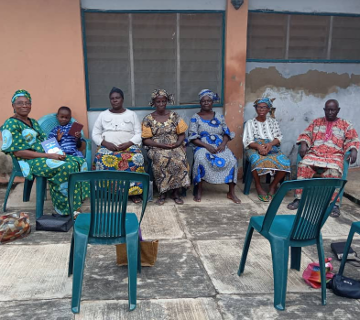
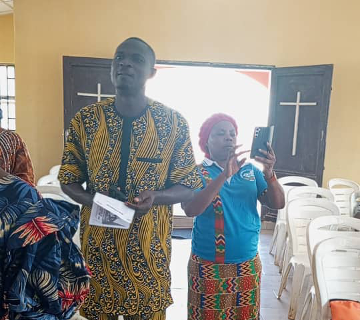
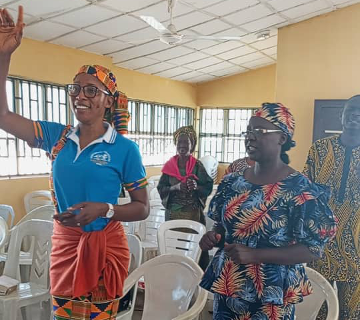
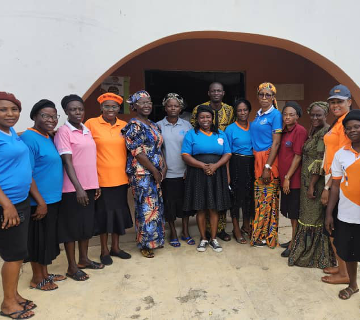
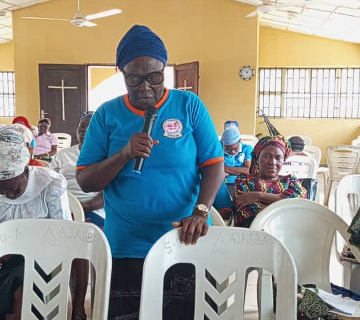
From the earliest days of the church to the present hour, women have stood as bold, compassionate witnesses of Jesus Christ. They announce His love with words and deeds—bringing the good news to homes, marketplaces, schools, and the quiet places of the heart. In Nigeria, Adventist women continue this holy work: leading Bible studies, visiting the sick, teaching children, training lay evangelists, and organizing outreach programs that shine the light of Christ into every corner of our nation.
Our witness is not mere activity; it is presence—the presence of Christ in humble service. As Seventh-day Adventist women we are called to embody the whole gospel: proclamation of Christ’s soon coming, compassionate ministry to the needy, a biblical lifestyle of health and temperance, and a commitment to Sabbath rest as a sign of loyalty to our Redeemer. This integrated message draws people not only to ideas, but to a living Savior.
How Adventist Women Minister
- Bible Study & Discipleship: Small-group Bible studies, one-to-one Bible reading, and systematic Bible studies that lead seekers from curiosity to conviction (Matthew 28:19–20).
- House-to-House Visitation: Compassionate visits that offer prayer, Scripture, and practical help—meeting spiritual and physical needs (James 1:27).
- Children & Youth Work: Sabbath School, VBS, and youth mentorship that plant gospel seeds in young hearts (Deuteronomy 6:6–7).
- Health Evangelism: Community health talks, screening events, and lifestyle programs that demonstrate Christ’s concern for body and soul (Luke 4:18–19).
- Public Witness: Open-air meetings, literature distribution, and community projects that make the three angels’ message understandable and relevant (Revelation 14:6–12).
The power of this witness is the Holy Spirit, who sends ordinary women to do extraordinary things. As Acts records, women were among those who prayed, preached, and labored sacrificially in the birth of the church (Acts 1:14; Acts 16:14–15). Today’s Nigerian sisters follow that pattern—rooted in prayer, trained in Scripture, and empowered to serve.
Practical Ways to Join the Work
- Pray Daily: Ask God to send and empower workers and to open hearts in your neighbourhood.
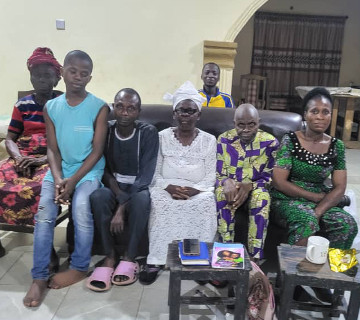
- Study with Others: Start a women’s Bible circle that focuses on evangelism and personal testimony.
- Serve Practically: Host a health talk, teach a skill class, or organize a children’s outreach in your community.
- Live the Message: Keep Sabbath, practise healthful living, and let your life point others to Christ—your witness will carry far more than words alone.
May every Adventist woman in Nigeria be encouraged: your faithful witness matters. Through Scripture-centred teaching, prayerful visitation, compassionate service, and a life set apart for Jesus, you are helping to finish the work—bringing the everlasting gospel to every tribe and tongue until He comes.
The Call to Evangelism
Jesus commanded, “Go ye into all the world and preach the gospel” (Mark 16:15). This is not an optional suggestion but a loving mandate for every believer. In Nigeria, Adventist women have embraced this call with faithfulness and creativity—moving beyond cultural expectations to become active ministers of the gospel. Their witness takes many forms: health seminars that demonstrate Christ’s compassion, small-group fellowships that nurture discipleship, and pastoral community visits that bring hope to the hurting.
Why Women? A Biblical and Adventist Perspective
Scripture shows women as pivotal to the spread of the gospel (e.g., Mary Magdalene, Priscilla, and the women who supported Jesus’ ministry). The Seventh-day Adventist message emphasizes the whole gospel — proclamation, health, and practical compassion — and women are uniquely suited to communicate this integrated message through relational ministry, caregiving, and witness in the home and public sphere.
Modes of Evangelism — What Nigerian Women Are Doing
| Mode | What It Looks Like | Scriptural / Adventist Anchor | Typical Outcomes |
|---|---|---|---|
| Health Outreach | Free screenings, lifestyle talks, maternal & child care, nutrition demos. | Luke 4:18–19; health message of Adventism (body & soul). | Trust building, increased church interest, referrals to clinics. |
| House-to-House Visitation | Prayer visits, Bible literature distribution, personal counsel. | Acts 1:8; James 5:16 (confession & prayer). | New Bible study contacts, pastoral care opportunities, baptisms. |
| Small Group Fellowships | Women’s circles, discipleship groups, home Bible studies. | Matthew 28:19–20; Hebrews 10:24–25 (mutual encouragement). | Spiritual growth, leadership development, community support networks. |
| Children & Youth Programs | Sabbath School, Vacation Bible School, mentorship & tutoring. | Deuteronomy 6:6–7; Mark 10:14 (bring the children). | Early faith formation, youth retention, future church leaders. |
| Skills Training & Empowerment | Tailoring, agribusiness, ICT workshops paired with Bible lessons. | Proverbs 31; James 2:14–17 (faith and works). | Economic resilience, social credibility for the gospel, transformed livelihoods. |
| Public Campaigns & Literature Distribution | Open-air meetings, literature stands, radio segments, social media. | Revelation 14:6–12 (three angels’ message — global proclamation). | Wider reach, awareness of Adventist distinctives, increased inquiries. |
Practical Roadmap: How a Women’s Group Can Launch an Evangelism Initiative
- Pray & Fast: Begin with corporate prayer seeking God’s guidance and anointing (Acts 13:2–3).
- Form a Core Team: Identify 4–8 committed sisters for planning, training, and follow-up.
- Choose a Focus: Health, children, household visitation, or skills training — pick one to start and do it well.
- Train Volunteers: Provide short training on evangelism conversation, basic Bible study methods, confidentiality, and safeguarding.
- Prepare Materials: Bibles, literature, simple health screening tools, referral lists for clinics and social services.
- Schedule Outreach: Plan specific dates, assign roles (prayer, teaching, logistics), and identify follow-up contacts.
- Follow Up & Disciple: Turn every contact into a relationship: invite to Bible studies, mentor new believers, and connect them to church families.
- Evaluate & Pray Again: Assess fruit (contacts, baptisms, community changes) and seek God’s direction for the next step.
Checklist: Essentials for a Successful Outreach
- Clear gospel presentation plan (scripture-centered and culturally sensitive).
- Prayer team committed to pre- and post-outreach intercession.
- Training session for volunteers (evangelism etiquette, child protection, first aid basics).
- Printed literature and contact cards (church meeting times, WhatsApp contact).
- Simple monitoring form to record names, locations, needs, and follow-up actions.
- Partnership agreements with local clinics, schools, and community leaders when needed.
Measuring Impact: Simple Metrics That Matter
Track practical indicators that reflect both spiritual and social fruit:
- Contacts made: number of households/individuals visited.
- Bible studies started: how many new study groups formed.
- Health interventions: screenings done, referrals made.
- Lives changed: testimonies recorded, baptisms and reconciliations.
- Social outcomes: skills taught, loans facilitated, school enrollments supported.
Training & Resources (Adventist-Aligned)
Use resources that connect health, scripture, and Adventist distinctives:
- Short Bible study outlines: Gospel of Mark overview, three angels’ message simplified for new learners.
- Health evangelism kits: basic screening checklists, health talk slides, handouts on diet and temperance.
- Children’s lesson plans: Sabbath School story scripts and activity sheets.
- Discipleship pathway: a 6–12 week follow-up curriculum leading to baptism and church integration.
Real-Life Example (Mini Case Study)
In a typical outreach: A women’s team runs a free blood-pressure and diabetes screening in a marketplace. While attendees wait, sisters offer short talks on healthy living tied to Bible truths (Luke 4:18). Several women sign up for evening Bible talks; three weeks later, two families begin regular Bible studies and eventually join the church. The health service opened doors of trust—demonstrating that faithful service accompanied by clear gospel proclamation bears lasting fruit.
Prayer Prompt for Evangelists
Lord Jesus, send Your Spirit to anoint our words and works. Make us bold yet gentle, wise and compassionate. Use our hands to heal, our voices to declare Your truth, and our lives to reflect Your soon return. Amen.
Nigerian women are answering the Great Commission with courage and compassion. Rooted in Scripture and enriched by the Adventist message of health and hope, their evangelistic efforts bring both spiritual salvation and practical transformation to communities across the land.
Methods of Evangelism
Health ministry is central to the Adventist witness: showing Christ’s compassion practically opens hearts for the gospel. Health evangelism intentionally links screenings and lifestyle teaching with Scripture, prayer and invitation to deeper Bible study.
What a Health Outreach Can Include
- Basic screenings: blood pressure, blood sugar, BMI, malaria rapid test (where trained volunteers/partners available).
- Maternal & child health talks: prenatal care, breastfeeding, nutrition, immunisation awareness.
- Lifestyle education: healthy eating (plant-based principles), exercise, temperance (alcohol & tobacco avoidance), stress management and sleep/Sabbath rest.
- Short gospel presentation: 5–10 minute testimony or devotional linked to health (creation, stewardship of the body, hope in Christ).
- Referral & follow-up: printed referrals to clinics, names for Bible study follow-up, and prayer visits for the sick.
Sample 90-Minute Health Outreach Schedule
| Time | Activity | Lead |
|---|---|---|
| 0–10 min | Opening prayer & welcome; brief Scripture (health & wholeness) | Prayer Team |
| 10–50 min | Screening stations (BP, blood sugar, BMI) + counseling | Health Volunteers |
| 50–70 min | Short health talk (nutrition/ maternal care) + Q&A | Health Educator |
| 70–85 min | Gospel devotion (5–10 min) + personal testimonies | Evangelism Lead |
| 85–90 min | Prayer for individuals & sign-up for Bible studies | Prayer Team |
Health Outreach Checklist
- Portable table, chairs, canopy/tent.
- Blood pressure cuffs, glucometer and strips, weighing scale, tape measure.
- Educational handouts (simple diet tips, mother & child care flyers).
- Consent forms, referral list for clinics/hospitals, contact cards for follow-up.
- First aid kit, gloves, sanitizer, waste disposal bags.
- Prayer team and a short gospel talk prepared (scripture-centered).
Short Gospel Tie-In (5-minute outline)
- Scripture opener: Read Luke 4:18 — Jesus came to bring healing.
- Truth: God cares for our bodies and our souls (1 Cor. 6:19–20).
- Hope: Jesus heals, forgives and restores; He gives a future (Jer. 29:11).
- Invitation: Offer a short Bible study or prayer visit; invite them to the next health or Bible session.
Impact Metrics (simple)
- Number of persons screened
- Number who requested prayer or Bible study
- Referrals made to clinics
- Testimonies collected (qualitative spiritual fruit)
Impact on Nigerian Communities
Through evangelism, entire communities have experienced both spiritual and social transformation. Families have come to Christ, young people have been rescued from destructive lifestyles, and widows have found both hope and practical support. Nigerian women embody a faith that does more than preach—it heals, empowers, and restores.
The Evangelism Bus Project
The Evangelism Bus is a mobile ministry tool that will multiply outreach across Ibadan and Oyo State. It will serve as a center for Bible study, health outreach, and skills training. With this bus, Adventist women can take the gospel directly to villages, schools, and marketplaces—bringing Christ’s love to the doorsteps of communities.
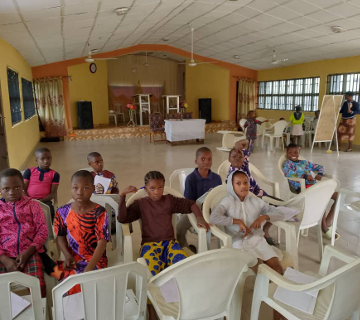
Children are the church’s future. Effective children’s ministry combines Bible story, song, meaningful activity and age-appropriate teaching of Adventist truths (Sabbath, creation, health, Jesus’ love). Safe, joyful environments form lifelong faith habits.
Program Components
- Sabbath School: Bible story, memory verse, craft, and simple application.
- Vacation Bible School (VBS): week-long intensive with daily themes, games, and family outreach.
- Children’s Bible Clubs: mid-week mentorship, reading, and basic discipleship.
- Family Engagement: take-home activities and parent briefings to reinforce lessons at home.
Sample Weekly Sabbath School Lesson (Template)
| Element | Plan |
|---|---|
| Theme | “Jesus loves the little children” — kindness & prayer |
| Bible Story | Jesus blessing the children (Mark 10:13–16) |
| Memory Verse | “Let the little children come unto me” — Mark 10:14 |
| Activity | Craft: “Prayer hands” — list people to pray for |
| Song | Simple chorus with actions |
| Take-Home | Parent note with discussion questions and a simple family devotion idea |
Volunteer Roles & Safety
- Lead Teacher — prepares lesson and guides the class.
- Assistant/Helper — supports activities and safety.
- Registration / Sign-in Officer — tracks children and emergency contacts.
- Safeguarding Officer — ensures child protection policy is followed.
Materials Checklist
- Children’s Bibles, story cards, and memory verse printouts.
- Arts & crafts supplies (paper, crayons, glue, scissors — child-safe).
- Sound system for songs, name tags, sign-in sheets.
- First-aid kit and emergency contact list for parents/guardians.
Measuring Success
- Number of children attending regularly
- Families reached via take-home materials
- Children engaged in memory verses and able to retell stories
- New family contacts and follow-up Bible study requests
Community visits are the most relational form of outreach: they create trust, meet urgent needs, and begin conversations about faith. When done respectfully and prayerfully, visits open doors for Bible studies, pastoral care and church integration.
Best Practices for Visits
- Pray first: assign a prayer team to intercede for every street or neighborhood.
- Go in pairs or small teams: safety and accountability; include a male and female where cultural norms require.
- Be culturally sensitive: greet appropriately, ask permission before entering, and respect privacy.
- Listen more than speak: identify needs before offering solutions.
- Offer practical help: a prayer, a Bible tract, referral info, or a later home visit for a Bible study.
Sample Visit Script / Conversation Flow (5–7 minutes)
- Greeting: “Good morning; we are sisters from the local Adventist Women’s group — may we share a short message and pray with you?”
- Listen/Identify Need: “How are you coping with the week? Are there prayer needs or health concerns?”
- Share Briefly: Offer a short scripture and testimony — connect to real need (peace, healing, hope).
- Offer Follow-up: “Would you like a free Bible study in your home or an invitation to our church or health day?”
- Close in Prayer: A short, gentle prayer asking God’s blessing and permission to follow up.
Visit Log (Simple Table to Keep)
| Date | Household/Name | Address/Area | Need/Notes | Follow-up action |
|---|---|---|---|---|
| 2025-08-20 | Mrs. A. | Odo-Gbo | High BP, wants prayer | Prayer visit + invite to health outreach |
Follow-Up Process
- Within 48 hours: prayer visit or phone call.
- Week 1: invitation to a small home Bible study.
- Ongoing: assign a mentor from the women’s group for discipleship and integration into church life.
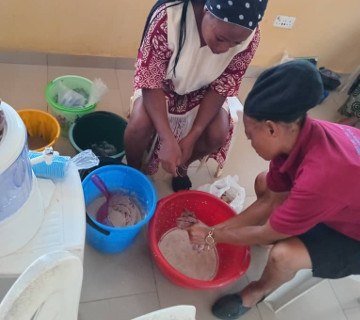
Empowering women with vocational skills provides economic resilience and creates a platform for sharing Christ. When skill training is paired with Bible study and mentorship, it produces holistic transformation—spiritually, socially and economically.
Popular Trainings
- Tailoring & fashion design
- Baking & catering
- Agricultural best practices for small plots
- Basic ICT (mobile money, spreadsheet bookkeeping, online markets)
- Hairdressing & beauty skills
6-Week Sample Curriculum (Tailoring + Discipleship)
| Week | Practical Skill Focus | Biblical/Discipleship Focus |
|---|---|---|
| Week 1 | Basic stitches & hemming | Stewardship & work ethic (Colossians 3:23) |
| Week 2 | Measurement & pattern basics | Integrity & honesty in business (Proverbs 11:1) |
| Week 3 | Simple dress/garment construction | Treating customers with love and fairness |
| Week 4 | Costing & simple bookkeeping | Wise stewardship & savings (Luke 14:28) |
| Week 5 | Marketing & packaging | Witnessing in the marketplace |
| Week 6 | Graduation, small business plan & next steps | Prayer for business blessing & community impact |
Structure for Sustainability
- Combine training with a rotating savings group (ajo/esusu) for startup capital.
- Provide mentorship pairing with older businesswomen in the church.
- Create a marketplace day where trainees sell goods and invite the community.
- Include a short weekly Bible study during each training session to keep spiritual growth central.
Resources & Metrics
- Trainers (skilled volunteers or local vocational schools)
- Materials and starter kits for each trainee
- Simple pre/post skills assessment and a record of businesses started
- Metrics: number trained, percent gaining income within 3 months, number joining church activities
Stories of Transformation
- A Mother Restored: After attending a health outreach, a widow found healing for her sickness and later became an active church volunteer.
- A Youth Redeemed: A young woman who joined a Bible club now serves as a youth leader, inspiring others with her testimony.
- A Village Transformed: Consistent house-to-house evangelism led to the establishment of a new Sabbath School branch in a rural community.
Prayer & Blessing
Call to Action
You can be part of this movement. Pray for Adventist women on the frontlines, volunteer in community outreach, or give to the Evangelism Bus project. Together, we can spread the gospel across Nigeria—one community at a time.