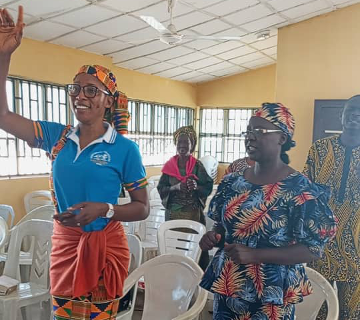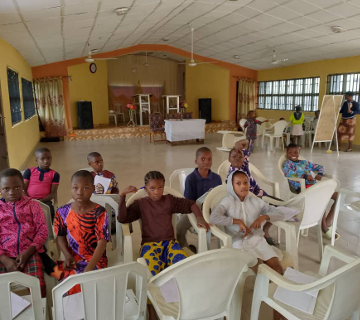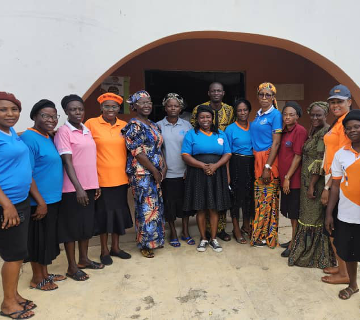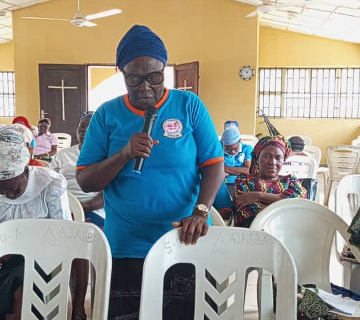
Introduction: Purpose Rooted in Christ
Purpose is not primarily a career or a checklist — it is a person. For the Christian woman, purpose begins with Jesus Christ. Biblical purpose reshapes how we love our family, how we work, and how we serve our communities. This guide centers on three pillars: Faith (our relationship with God), Family (our primary sphere of influence), and Future (skills, service and sustainable impact). Each section gives Scripture anchors, practical steps, and ways the Adventist community can walk with you.
“Trust in the Lord with all your heart and lean not on your own understanding; in all your ways acknowledge him, and he will make your paths straight.” — Proverbs 3:5–6
1. Faith: Our Relationship With God
Every journey of purpose starts with walking closely with Christ. Without Him, we labor in vain. Daily prayer, consistent Bible study, and fellowship with the body of Christ strengthen our faith. For Nigerian women facing economic and social challenges, faith is not just a belief — it is a lifeline.
- Morning Devotion: Begin each day with prayer and study (Psalm 5:3).
- Sabbath Rest: Keep the Sabbath holy for spiritual renewal (Exodus 20:8–11).
- Community Support: Join women’s ministry groups for encouragement and growth (Hebrews 10:25).
“Seek first the kingdom of God and his righteousness, and all these things will be given to you as well.” — Matthew 6:33
2. Family: The First Ministry
Family is the primary sphere where God calls us to live out our purpose. Whether as mothers, sisters, or leaders in the home, Adventist women reflect Christ’s love through service and teaching. The home is the first church, and the influence of a godly woman is immeasurable.
- Teach Children: Share Bible stories and encourage morning and evening worship (Deuteronomy 6:6–7).
- Model Love: Show patience and forgiveness in daily interactions (Colossians 3:13–14).
- Hospitality: Use your home as a place of blessing and outreach (Romans 12:13).
“She speaks with wisdom, and faithful instruction is on her tongue.” — Proverbs 31:26
3. Future: Skills, Service, and Sustainable Impact
God has not called women to remain idle but to shine in society with integrity and excellence. Education, entrepreneurship, and ministry are pathways through which women can glorify God and uplift their communities. Nigerian women have unique gifts that can shape the future of the church and the nation.
| Pillar | Biblical Anchor | Practical Application |
|---|---|---|
| Faith | Matthew 6:33 | Daily prayer, Sabbath observance, joining ministry groups |
| Family | Deuteronomy 6:6–7 | Teach children, model love, practice hospitality |
| Future | Jeremiah 29:11 | Pursue education, entrepreneurship, mentorship, service |
“For I know the plans I have for you,” declares the Lord, “plans to prosper you and not to harm you, plans to give you hope and a future.” — Jeremiah 29:11
In Christ, purpose is never limited by background, gender, or circumstance. Nigerian women, standing on these three pillars of faith, family, and future, can rise to fulfill God’s calling and make a lasting impact in the home, the church, and society.
Part 1 — Faith: Growing a Deep Relationship with Jesus
1. The Priority of Devotion
Every meaningful purpose begins at the feet of Jesus. Devotion is more than a duty; it is a lifeline. Just as a branch cannot survive without being connected to the vine (John 15:5), the Christian woman cannot thrive without daily connection to Christ. Through prayer, Bible study, and meditation, we receive direction, courage, and strength to live out God’s calling.
For Adventist women in Nigeria, devotion is especially vital because the demands of life can easily pull us away from spiritual focus. Between caring for children, supporting husbands, engaging in business, ministry, or community leadership, time can feel scarce. Yet, setting apart even a few consistent minutes for God transforms the day. Begin with 10 minutes of Bible reading and 5 minutes of prayer. Gradually grow into deeper study, journaling, and even sharing devotionals with family.
“But seek first the kingdom of God and His righteousness, and all these things shall be added to you.” — Matthew 6:33
The Seventh-day Adventist tradition emphasizes not only personal devotion but also family worship. Every morning and evening, gathering the family to read Scripture, sing hymns, and pray together knits hearts closer to God and one another. Sabbath offers a weekly reset, where we pause from worldly labor and focus entirely on God, rest, and family. This rhythm of daily and weekly devotion keeps the heart anchored, no matter the challenges Nigeria’s women face.
| Practice | Suggested Time | Impact |
|---|---|---|
| Morning Devotion | 10–20 minutes | Spiritual focus and strength for the day |
| Evening Worship | 10 minutes | Family unity, gratitude, and peace before rest |
| Sabbath Rest | Sunset Friday – Sunset Saturday | Spiritual renewal, fellowship, and deeper Bible study |
Think of devotion as the fuel in your spiritual lamp. Without oil, the lamp goes out (Matthew 25:1–13). Without daily prayer and Scripture, discouragement, fear, and confusion creep in. With devotion, however, even the heaviest burdens are lightened by Christ’s presence. Nigerian women who draw near to God daily will find clarity for their purpose, strength for their challenges, and joy for their journey.
2. Spiritual disciplines that anchor life
- Scripture reading: choose a short plan—Gospels first (Luke or John) to know Jesus intimately.
- Prayer: morning and evening, name specific needs and praise God for answers.
- Sabbath observance: receive weekly rest, worship and family renewal.
- Service: faith is lived outward — join outreach programs (health, feeding, Bible studies).
3. Fellowship & mentorship
Find a spiritual mentor or small group (AWM circle). Mentorship speeds growth: ask a mature sister to pray with you and give feedback about spiritual practices and leadership.
Part 2 — Family: Loving, Leading and Leaving a Legacy
1. Marriage & partnership
God’s design for marriage is partnership. Discuss roles, finances and spiritual priorities with your spouse. Practice family devotions and protect family rhythms including Sabbath rest.
2. Parenting with purpose
Intentionally teach children faith through story, prayer and example. Use simple routines—bedtime prayers, Bible story at meals, and family Sabbath projects—to build spiritual habits.
3. Caring for extended family
In Nigeria, extended family often needs support. Establish wise boundaries: give with love but also teach responsibility. Church support groups can help with childcare, eldercare and emergency relief.
Family table: practical rhythms
| Rhythm | Action | Frequency |
|---|---|---|
| Family Devotions | Short Bible reading and prayer | Daily (10–15 mins) |
| Family Meal | Share highs/lows, pray together | Daily |
| Sabbath Project | Community service or rest-focused activities | Weekly |
Part 3 — Future: Skills, Service and Sustainable Impact
1. Education and Vocational Training
Lifelong learning is vital for every Nigerian woman seeking to fulfill her God-given purpose. Education does not end with a school certificate; it is a continuous journey of developing the mind and the skills necessary to serve God, family, and society. The Adventist Church has always emphasized education as a sacred duty—rooted in the belief that a trained mind and a consecrated heart are tools for advancing the gospel and building stronger communities.
In Nigeria, Adventist institutions such as Babcock University, Adventist Secondary Schools, and several vocational training centres offer opportunities for women to grow academically and professionally. But education is not limited to formal schools. Women can also develop through skill acquisition programs such as tailoring, catering, ICT, farming, and health-related training. These are practical avenues to support families and contribute to the local economy while witnessing for Christ.
| Learning Path | Benefits for Women | Biblical Anchor |
|---|---|---|
| Formal Education (Secondary, University) | Opens doors to professional jobs, leadership roles, and greater influence in society. | “Let the wise listen and add to their learning.” — Proverbs 1:5 |
| Vocational Training (Tailoring, Catering, ICT, Crafts) | Provides practical skills for self-reliance and family support. | “She selects wool and flax and works with eager hands.” — Proverbs 31:13 |
| Adult Literacy and Online Courses | Removes barriers of age, distance, and finances; empowers women with modern knowledge. | “My people are destroyed from lack of knowledge.” — Hosea 4:6 |
If travel or cost is a barrier, take advantage of free or low-cost online platforms like Coursera, Udemy, Alison, or even YouTube tutorials. Many Adventist ministries also provide digital Bible and health courses that can equip women spiritually and practically. The principle is simple: never stop learning. A Christian woman who learns continually can adapt to challenges, create new opportunities, and guide her children with wisdom.
“She sets about her work vigorously; her arms are strong for her tasks.” — Proverbs 31:17
Finally, remember that education is not just about career or income—it is about service. When a woman is trained, the entire family, community, and church benefit. Through education and vocational training, Nigerian women can rise above economic hardship, resist exploitation, and live as shining witnesses for Christ in every sphere of life.
2. Entrepreneurship & Financial Resilience
God calls us to be faithful stewards of the resources entrusted to us. In Proverbs 31, we see a woman who invests wisely, manages her household diligently, and provides for her family through enterprise. Nigerian women—whether selling produce, running a tailoring shop, or managing a small business—reflect this same spirit of resilience. Entrepreneurship is not only about money; it is about service, using our gifts to bless others, and ensuring stability for our families and ministries.
- Start small: Test your idea before making big financial commitments. A few loaves of bread baked for neighbors, handmade soaps sold in the market, or tutoring children after school can open doors. As Jesus said, “Whoever can be trusted with very little can also be trusted with much” (Luke 16:10).
- Savings circle: Join or form a cooperative (ajo/esusu). These provide pooled resources that make capital accessible for business growth. Adventist Women’s Ministries groups can serve as both spiritual and financial support networks, encouraging accountability, trust, and growth.
- Budgeting: Develop simple habits: track income weekly, write down expenses, and prioritize needs over wants. Teach your children basic money management so the next generation can rise above financial struggles. Tools such as a basic notebook or phone app can help you stay disciplined.
- Diversify income: Relying on one source of income can be risky, especially in today’s unstable economy. Explore multiple streams, such as farming, petty trading, or digital freelancing, to strengthen resilience.
- Faith in finance: Always include God in your financial planning. Return tithe faithfully, give offerings, and trust His promises. Malachi 3:10 reminds us that when we honor God with our substance, He opens the windows of heaven to pour out blessings.
“She considers a field and buys it; out of her earnings she plants a vineyard. She sets about her work vigorously; her arms are strong for her tasks.” — Proverbs 31:16–17
| Financial Practice | Practical Example | Biblical Anchor |
|---|---|---|
| Budgeting | Weekly tracking of food, school fees, business expenses | Luke 14:28 – “Count the cost” |
| Savings | Joining an Adventist women’s cooperative (ajo/esusu) | Proverbs 21:20 – “The wise store up choice food and olive oil” |
| Diversification | Farming + tailoring + small shop | Ecclesiastes 11:2 – “Invest in seven ventures, yes, in eight” |
| Faithful Stewardship | Returning tithe and offerings first before spending | Malachi 3:10 – “Bring the whole tithe into the storehouse” |
3. Serving with Lasting Impact
True service is more than short bursts of charity; it is ministry that leaves a legacy of transformation. Jesus Himself modeled this when He healed the sick, taught the multitudes, and fed the hungry. His service met both spiritual and physical needs. As Adventist women, our calling is to do the same — to serve in a way that draws people closer to Christ while also improving their daily lives.
Sustainable impact requires balance. Giving food for a day is kind, but teaching women to grow their own gardens is life-changing. Preaching the gospel is essential, but also showing mothers how to care for their children’s health opens the heart to receive God’s Word. This is why Christ said, “Inasmuch as ye have done it unto one of the least of these my brethren, ye have done it unto me.” — Matthew 25:40
In our district, we have seen how health education programs prevent sickness, how literacy classes open doors to employment, and how vocational training gives widows and young women dignity and income. These are ministries that remain fruitful long after the seminar or campaign ends, because they equip people to thrive.
The Evangelism Bus Project is our next step in multiplying impact. With this mobile ministry center, Adventist Women’s Ministries can reach villages, schools, and markets across Ibadan and Oyo State with:
- Health outreach: free health checks, maternal health education, and wellness talks available on epifia.com.
- Spiritual ministry: Bible studies, children’s Sabbath School programs, and prayer groups.
- Skills empowerment: short trainings in literacy, crafts, and small business skills for women.
- Community support: distribution of Christian literature, counselling, and encouragement for struggling families.
This is not just an event — it is a movement of Adventist women carrying Christ’s love beyond the walls of the church. Every kilometer traveled by the Evangelism Bus is another opportunity to uplift, restore, and save. Together, through faith and collective sacrifice, we can leave an impact that outlives us and echoes into eternity.
“Let your light so shine before men, that they may see your good works, and glorify your Father which is in heaven.” — Matthew 5:16
Skills & service checklist
- Enroll in a short skill course (tailoring, ICT, baking, hairdressing).
- Start/join a church savings group.
- Volunteer in a church health or outreach programme.
- Attend leadership and mentoring sessions organized by AWMs.
Practical Steps & Resources (Church-focused)
Use this plan with your women’s group or small fellowship.
- Monthly Devotion Plan: distribute a simple one-month guide for daily readings and prayer topics.
- Savings Circle Toolkit: rules, ledger template, and rotating loan schedule.
- Health Camp Checklist: venue, volunteers, partner clinics, screening supplies.
- Mentor Pairing Guide: matching criteria, meeting frequency, conversation starters.
Stories of Hope
Here are short, anonymised examples you can use in newsletters or social posts:
- “Market Stall to Stable Income” — A sister joined a savings circle, took a small loan, bought stock and now supports her children’s school fees.
- “From Sickbed to Service” — After attending a church health camp and receiving care, a woman recovered and volunteered to help organize the next camp.
- “Courage to Lead” — Mentorship helped a young woman step into a community leadership role, representing women’s interests at the local council.
Prayer & Blessing
A short prayer you can use in groups or personally:
Call to Action — Join AWM Airport District
If this guide spoke to you, take one next step today:
- Pray: Send us a WhatsApp message for prayer or resources: +234 806 812 7030
- Join: Attend your local Adventist Women’s Ministries meeting — bring a friend.
- Serve: Volunteer for an outreach or health camp — practical service changes lives.
- Give: Support the Evangelism Bus Fund — First Bank • Adventist Women’s Ministries, Airport District • 2043599451
Prepared by Adventist Women’s Ministries – Airport District. For training materials, PDF toolkits, or to invite our team for a seminar, contact us via WhatsApp.