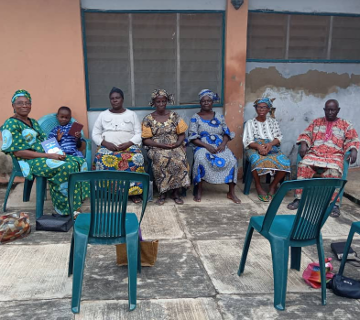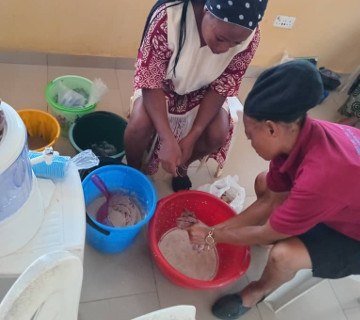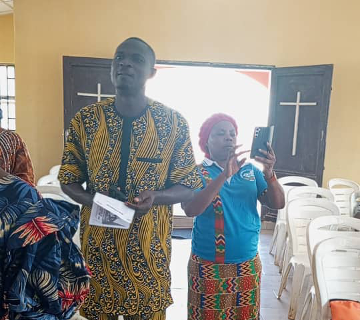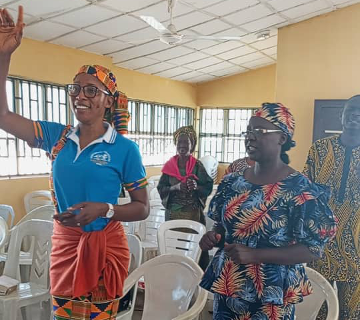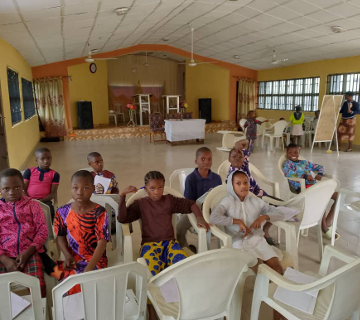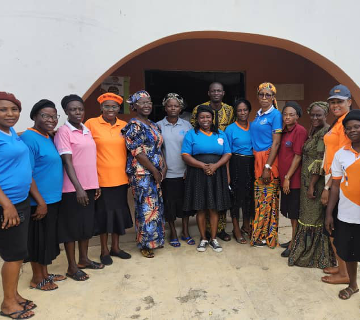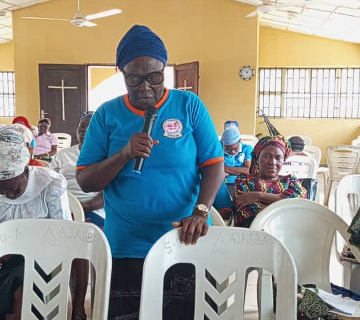
Introduction: Adventist Church in Nigeria
The story of the Adventist Church in Nigeria is, above all, the story of Jesus Christ working through His people to prepare a nation for His soon return. From the earliest missionaries who carried the gospel to the shores of West Africa, to the present-day congregations that fill villages, towns, and cities across Nigeria, the central focus has remained “Jesus Christ, and Him crucified” (1 Corinthians 2:2).
Christ commanded His disciples, “Go ye therefore, and teach all nations, baptizing them in the name of the Father, and of the Son, and of the Holy Ghost: teaching them to observe all things whatsoever I have commanded you” (Matthew 28:19-20). This Great Commission is the heartbeat of the Adventist movement worldwide, and Nigerian Adventists have taken it up with deep conviction. With the power of the Holy Spirit, the church has proclaimed the everlasting gospel to a diverse nation of over 200 million people, uniting men and women, rich and poor, old and young under the banner of Christ’s redeeming love.
The Seventh-day Adventist Church in Nigeria is part of the global family of believers awaiting the glorious return of our Lord. Rooted in the Three Angels’ Messages of Revelation 14:6-12, Nigerian Adventists boldly lift up Christ as Creator, Redeemer, and soon-coming King. They call people to worship the true God, to embrace the Sabbath rest He gave from the foundation of the world (Genesis 2:1-3; Exodus 20:8-11), and to prepare for the kingdom that shall never end (Daniel 2:44).
Nigeria’s Adventist community has grown from humble beginnings into a vibrant movement with churches, schools, hospitals, and media ministries scattered across the nation. Yet beyond institutions, it is the testimony of changed lives that speaks most powerfully. Families have been transformed, communities have been uplifted, and thousands have found peace in Christ through Bible study, evangelistic meetings, health outreach, and the simple witness of faithful members.
“For unto you is born this day in the city of David a Saviour, which is Christ the Lord” (Luke 2:11). This same Saviour is the hope and foundation of the Adventist Church in Nigeria.
As we reflect on the Adventist journey in Nigeria, we see God’s providence at every step. The gospel seed, once planted in faith, has grown into a mighty tree of witness (Matthew 13:31-32). This introduction sets the stage for exploring the history, beliefs, impact, and future mission of a people who are determined to shine the light of Christ until He comes again.
1) History of the Adventist Church in Nigeria
The history of the Seventh-day Adventist Church in Nigeria is a testimony to God’s providence, the power of the gospel, and the faithfulness of men and women who dedicated their lives to the spread of the Three Angels’ Messages (Revelation 14:6–12). Just as the early disciples carried the good news “to the uttermost part of the earth” (Acts 1:8), Adventist pioneers, both missionaries and local believers, planted the seed of truth in Nigerian soil.
Early Beginnings
The Adventist message reached Nigeria in the early 20th century. Missionaries from the United States and West Africa were among the first to bring the Sabbath truth. Through literature distribution, Bible studies, and evangelistic meetings, the gospel spread gradually from small groups into organized congregations. Like the mustard seed Jesus spoke of (Matthew 13:31–32), the work started small but has grown into a strong tree of faith.
Timeline of Growth
| Year | Milestone | Significance |
|---|---|---|
| 1914 | Arrival of Adventist literature and early contacts | The seed of the Adventist message planted in Nigeria. |
| 1930s | First organized groups and Sabbath schools | Believers gathered regularly for worship and Bible study. |
| 1944 | Official recognition of the Adventist Church in Nigeria | Formal structure established, marking a new era of growth. |
| 1960s | Expansion of schools and health ministries | Education and health evangelism became central to mission. |
| 1980s–2000s | Rapid membership growth and creation of local conferences | Adventists spread across the six geopolitical zones of Nigeria. |
| Today | Over half a million members and growing institutions | A vibrant church contributing to education, health, and community transformation. |
Key Features of Early Adventist Mission in Nigeria
- Education: The establishment of primary and secondary schools helped spread literacy and Christian values (Proverbs 22:6).
- Health Ministry: Clinics and hospitals provided healing in Christ’s name (Matthew 10:8), demonstrating the link between physical and spiritual well-being.
- Evangelism: Public meetings, Bible correspondence schools, and radio programs carried the gospel to villages and cities.
- Translation Work: The Bible and Adventist literature were translated into local languages, ensuring that the message could reach people “in their own tongue” (Acts 2:8).
Challenges and Victories
Like the early church in the book of Acts, Adventists in Nigeria faced challenges: resistance from traditional religion, poverty, limited resources, and sometimes persecution. Yet, the promise of Christ remained true: “I will build my church; and the gates of hell shall not prevail against it” (Matthew 16:18).
Victories came through faithful members who gave their time, means, and lives for the gospel. Their legacy is seen today in thriving congregations, schools like Babcock University (the first private university in Nigeria to be accredited), and hospitals that continue to serve both Adventists and non-Adventists alike.
Spiritual Significance
The history of the Adventist Church in Nigeria is not just about institutions, but about transformed lives. Families have embraced the Sabbath, young people have dedicated themselves to Christ, and communities have been uplifted through education, health, and spiritual revival. This living history echoes the psalmist’s words: “The Lord hath done great things for us; whereof we are glad” (Psalm 126:3).
“For the earth shall be filled with the knowledge of the glory of the Lord, as the waters cover the sea” (Habakkuk 2:14). The Adventist Church in Nigeria stands as a fulfillment of this prophecy, a light shining in Africa until Christ returns.
2) Core Beliefs and the Adventist Message
The Seventh-day Adventist Church in Nigeria, just like its global family, is built on the solid foundation of Scripture—“the word of our God shall stand for ever” (Isaiah 40:8). Every teaching is Christ-centered, anchored in the cross of Calvary, and designed to prepare men and women for the soon return of Jesus Christ. These beliefs do not originate from human philosophy, but from the inspired Word of God and the testimony of Jesus Christ (Revelation 12:17).
The Heart of Adventist Faith
At the core of Adventist teaching is the everlasting gospel proclaimed in Revelation 14:6–12—the Three Angels’ Messages. This is God’s final message of love, warning, and hope to a dying world. Nigerian Adventists believe that they are called to echo this trumpet sound across towns, villages, and cities.
- First Angel: Proclaiming the eternal gospel, calling all to worship the Creator (Revelation 14:6–7).
- Second Angel: Declaring the fall of Babylon, exposing false systems of worship (Revelation 14:8).
- Third Angel: Warning against worshiping the beast and uplifting faith in Jesus and obedience to God’s commandments (Revelation 14:9–12).
Summary of Core Beliefs
The Adventist Church holds 28 Fundamental Beliefs which reflect the teachings of Jesus. For simplicity, these can be grouped into major themes:
| Category | Belief | Biblical Foundation |
|---|---|---|
| Scripture | The Bible as the inspired Word of God | 2 Timothy 3:16–17 |
| God | One God in three persons: Father, Son, and Holy Spirit | Matthew 28:19 |
| Salvation | Salvation by grace through faith in Jesus Christ alone | Ephesians 2:8–9 |
| The Church | God’s people called out to be a light to the nations | 1 Peter 2:9 |
| Sabbath | The seventh day (Saturday) as the holy day of rest and worship | Exodus 20:8–11; Luke 4:16 |
| Health | Body as God’s temple, promoting healthful living | 1 Corinthians 6:19–20 |
| Prophecy | Gift of prophecy through the ministry of Ellen G. White | Revelation 12:17; 19:10 |
| Second Coming | Literal, visible, imminent return of Jesus Christ | John 14:1–3; Acts 1:11 |
| Hope | Resurrection of the righteous and eternal life with Christ | 1 Thessalonians 4:16–17 |
Christ at the Center
While the doctrines are important, all point to one central truth: Jesus Christ is Lord and Savior. From the Sabbath rest that reminds us of His role as Creator and Redeemer, to the blessed hope of His second coming, the Adventist message uplifts Christ as Alpha and Omega. As Paul wrote, “For I determined not to know any thing among you, save Jesus Christ, and him crucified” (1 Corinthians 2:2).
Mission in Nigeria
Nigerian Adventists live out these beliefs not only in worship but in practical mission—through schools, hospitals, evangelistic crusades, and community service. Every action is guided by Christ’s command in Matthew 28:19–20 to make disciples of all nations, teaching them to observe all things He commanded.
“Here is the patience of the saints: here are they that keep the commandments of God, and the faith of Jesus.” — Revelation 14:12
3) Church Structure and Organization
The Seventh-day Adventist Church in Nigeria, like the global body, is organized in a representative form of governance that seeks to reflect biblical principles of order and unity. The Apostle Paul reminds us, “For God is not the author of confusion, but of peace, as in all churches of the saints” (1 Corinthians 14:33). Thus, every level of organization works together in harmony to advance the gospel commission of Jesus Christ.
Global to Local Connection
The Adventist Church is not independent congregations functioning alone, but a connected worldwide movement. In Nigeria, the church structure mirrors this model to ensure that local churches, conferences, and unions remain united under the leading of Christ, the Head of the Church (Colossians 1:18).
| Level | Description | Biblical Principle |
|---|---|---|
| Local Church | The foundation of the Adventist presence in Nigeria. Members gather for worship, Bible study, and mission activities. Officers such as elders, deacons, and Sabbath School leaders are elected to serve. | Acts 2:42-47 – Believers continued in fellowship, teaching, and breaking of bread. |
| Conference / Mission | A group of local churches within a geographic area. Provides coordination, training, and resources to help churches grow spiritually and numerically. | Acts 15 – The early church came together in council to resolve issues and strengthen unity. |
| Union Conference | Oversees several conferences/missions in Nigeria. The Union ensures policies align with the global Adventist mission while addressing contextual needs of Nigerian communities. | 1 Corinthians 12:12-27 – Many members, but one body in Christ, working together. |
| Division & General Conference | Nigeria falls under the West-Central Africa Division (WAD). This connects Nigerian Adventists with the worldwide church headquartered at the General Conference in Silver Spring, Maryland, USA. | Matthew 28:19-20 – The global mission to “go and make disciples of all nations.” |
Representative Leadership
- Christ-Centered: Jesus is the ultimate Head of the church (Ephesians 1:22-23). Every decision and structure is meant to glorify Him.
- Servant Leadership: Leaders are elected through prayerful voting, following the example of Acts 6:3–“Choose seven men... full of the Spirit and wisdom.”
- Accountability: Each level of the church reports to the next, ensuring transparency and unity in mission.
- Mission Driven: The structure is not for hierarchy, but to equip the saints for service (Ephesians 4:11-12).
Unity in Diversity
Nigeria is a nation of many ethnic groups, languages, and cultures. Yet the Adventist Church structure fosters unity, showing that in Christ, “there is neither Jew nor Greek... for you are all one in Christ Jesus” (Galatians 3:28). Whether in Lagos, Enugu, Port Harcourt, or Abuja, Adventists in Nigeria are connected to a global family awaiting the Second Coming.
“Order is heaven’s first law.” – Ellen G. White, Testimonies for the Church, Vol. 1, p. 649. The structured organization of the Adventist Church in Nigeria ensures that mission, worship, and service are carried out with unity, discipline, and love for Christ’s soon return.
4) Some Adventist Congregations in Nigeria Where You Can Worship
Jesus calls His church to gather, grow, and go (Matt. 28:19–20; Heb. 10:25). Across Nigeria, Seventh-day Adventist congregations worship every Sabbath, study the Word, and share the Three Angels’ Messages (Rev. 14:6–12). Below is a practical, Christ-centered starter list you can use to find a nearby church. Each listing shows the conference/mission and the union it belongs to.
Verified Congregations (sample across Nigeria)
Tip: Use this list as a starting point, then explore the official Adventist directory for more congregations near you.
| # | Congregation | City / State | Conference / Mission | Union |
|---|---|---|---|---|
| 1 | Yaba Seventh-day Adventist Church | Lagos, Lagos State | Lagos Atlantic Conference | Western Nigeria Union Conference (WNUC) |
| 2 | Festac Town Seventh-day Adventist Church | Amuwo-Odofin, Lagos State | Lagos Atlantic Conference | WNUC |
| 3 | Victory Sanctuary Seventh-day Adventist Church | Lekki, Lagos State | Lagos Atlantic Conference | WNUC |
| 4 | Abeokuta Seventh-day Adventist Church | Abeokuta, Ogun State | Ogun Conference | WNUC |
| 5 | Christ Sanctuary Seventh-day Adventist Church | Ilesa, Osun State | Osun Conference | WNUC |
| 6 | Valley View Seventh-day Adventist Church | Benin City, Edo State | Edo Conference | WNUC |
| 7 | Okumagba Seventh-day Adventist Church | Warri, Delta State | Delta Conference | WNUC |
| 8 | Oke Ijebu Seventh-day Adventist Church | Akure, Ondo State | Ondo Mission | WNUC |
| 9 | Okene Seventh-day Adventist Church | Okene, Kogi State | Kogi Region | WNUC |
| 10 | Aba Kent Seventh-day Adventist Church | Aba, Abia State | Aba North Conference | Eastern Nigeria Union Conference (ENUC) |
| 11 | Elelenwo Seventh-day Adventist Church | Port Harcourt, Rivers State | Port Harcourt East Conference | ENUC |
| 12 | Rumuokwurusi Seventh-day Adventist Church | Port Harcourt, Rivers State | Port Harcourt East Conference | ENUC |
| 13 | Nkpolu-Rumuigbo Seventh-day Adventist Church | Port Harcourt, Rivers State | Port Harcourt East Conference | ENUC |
| 14 | Rumuodomaya Seventh-day Adventist Church | Port Harcourt, Rivers State | Port Harcourt East Conference | ENUC |
| 15 | Yenagoa Seventh-day Adventist Church | Yenagoa, Bayelsa State | Port Harcourt East Conference | ENUC |
| 16 | Seventh-day Adventist Church, Lamingo | Jos, Plateau State | Plateau-Bauchi Conference | Northern Nigeria Union Conference (NNUC) |
| 17 | University of Jos Seventh-day Adventist Church | Jos, Plateau State | Plateau-Bauchi Conference | NNUC |
| 18 | Abuja Central Seventh-day Adventist Church | Abuja (FCT) | Abuja East Nigeria Conference | NNUC |
| 19 | Seventh-day Adventist Church II, Iwaro | Ipoti-Ekiti | West Nigeria Union Conference | WNUC |
| 20 | Seventh-day Adventist Church I, Ipoti | Ipoti-Ekiti | West Nigeria Union Conference | WNUC |
This sample is intentionally cross-regional so readers can locate worship near major hubs in the West, East, and North. Wherever you attend, you will find Sabbath worship, Christ-centered preaching, Bible study, prayer, and warm fellowship in line with the Adventist hope of Christ’s soon return (Titus 2:13).
How the Church Is Organized in Nigeria (to help you find more congregations)
Nigeria has three Adventist “unions,” each overseeing several conferences/missions. Look up your state under the right union, then check the conference’s congregations list.
Western Nigeria Union Conference (WNUC)
- Lagos Atlantic Conference
- Lagos Mainland Conference
- Ogun Conference
- Osun Conference
- Oyo Conference
- Delta Conference
- Edo Conference
- Ekiti Conference
- Kwara Conference
- Ondo Mission
- Kogi Region
Eastern Nigeria Union Conference (ENUC)
- Aba East / Aba North / Aba South Conferences
- Abia North-Central Conference
- Anambra Mission
- Bayelsa Mission
- Cross River Conference
- Ebonyi Conference
- Enugu Conference
- Imo Conference
- Port Harcourt East / West Conferences
- Rivers East / West Conferences
- Uyo Conference
Northern Nigeria Union Conference (NNUC)
- Abuja East Nigeria Conference (formerly North Central Nigeria Conference)
- Abuja West Nigeria Mission (organized 2024)
- Plateau-Bauchi Conference
- North West Nigeria Conference
- North East Nigeria Conference
Can’t find your district here? Use the official Adventist directory to search by state or city, then confirm worship times with the local conference office.
4) Impact of the Adventist Church in Nigeria
The impact of the Seventh-day Adventist Church in Nigeria is, first and foremost, the impact of Jesus Christ working through His people. Rooted in the Great Commission (Matthew 28:19–20) and the Three Angels’ Messages (Revelation 14:6–12), Adventists serve holistically—proclaiming the gospel, uplifting health, advancing education, empowering families and youth, and responding to human need in Christ’s name. Our mission is to help people be ready for the soon return of Jesus, while reflecting His compassion today (Matthew 25:35–36; Isaiah 58:6–12).
A. Pillars of Impact
1) Spiritual Renewal & Discipleship
- Public evangelism, small groups, and Bible correspondence lessons.
- Prayer networks, revival weeks, and Sabbath School discipleship.
- Baptismal classes that lead to lifelong growth and service.
“And the Lord added to the church daily those who were being saved.” — Acts 2:47
2) Health & Lifestyle Ministry
- Free screenings, lifestyle coaching, maternal & child health education.
- Addiction recovery and stop-smoking seminars.
- Community wellness clubs teaching faith-based healthy living.
“Beloved, I pray that you may prosper in all things and be in health.” — 3 John 2
3) Education & Character Formation
- Adventist schools, adult literacy classes, and scholarships.
- Campus ministries and faith–learning integration.
- Teacher training and moral education for community transformation.
“Train up a child in the way he should go.” — Proverbs 22:6
4) Youth, Children & Family Strengthening
- Pathfinder & Adventurer clubs (leadership, service, and skills).
- Marriage enrichment, parenting seminars, and family worship resources.
- Mentoring and vocational exposure for teens and young adults.
“I have no greater joy than to hear that my children walk in truth.” — 3 John 4
5) Women’s Ministries & Community Care
- Women evangelism teams, counseling, and visitation ministries.
- Empowerment workshops and church-cooperative savings groups.
- Compassion projects for widows, elderly, and vulnerable families.
“She opens her arms to the poor and extends her hands to the needy.” — Proverbs 31:20
6) Humanitarian & Community Development
- Relief support during crises, food distributions, and water/sanitation projects.
- Peace-building, literacy, and livelihood skills for community resilience.
- Collaborations with local leaders to uplift underserved neighborhoods.
“Loose the bonds of wickedness… share your bread with the hungry.” — Isaiah 58:6–7
B. Discipleship Pathway (From Interest to Mission)
| Stage | Typical Activities | Desired Fruit | Scripture Anchor |
|---|---|---|---|
| Community Contact | Health expos, literature, social media, friendship evangelism | Trust building, prayer requests, invitations accepted | Matthew 5:16; 1 Peter 2:12 |
| Bible Interest | Small groups, Bible studies, Discovery lessons | Understanding the gospel, desire to follow Jesus | Acts 17:11; John 5:39 |
| Decision for Christ | Appeals, counseling, baptismal classes | Repentance, faith, baptism preparation | Mark 16:16; Acts 2:38 |
| Baptism & Membership | Public baptism, right hand of fellowship | Joy in Christ, integration into church life | Romans 6:3–4; Acts 2:41–42 |
| Growth & Service | Spiritual gifts, ministry placement, mission trips | Active disciples who disciple others | Ephesians 4:11–13; 2 Timothy 2:2 |
C. Health Ministry: From Prevention to Hope
| Community Need | Adventist Response | Observed Outcomes | Biblical Foundation |
|---|---|---|---|
| Hypertension & diabetes risk | Screenings, diet & exercise coaching, follow-up groups | Early detection, lifestyle improvements, prayer support | 1 Corinthians 6:19–20; 3 John 2 |
| Maternal & child health | Antenatal talks, breastfeeding support, hygiene education | Safer homes, healthier infants, informed parents | Psalm 127:3; Proverbs 31:27 |
| Addiction & tobacco use | Stop-smoking programs, counseling, accountability groups | Freedom from habits, restored dignity, new life in Christ | John 8:36; Romans 12:2 |
| Mental & emotional strain | Prayer lines, grief support, hope-focused seminars | Comfort, community, Christ-centered resilience | Psalm 34:18; Matthew 11:28–30 |
D. Education & Nation Building
- Faith-based schools shaping conscience, discipline, and excellence.
- Adult literacy and vocational training for economic resilience.
- Campus ministries discipling the next generation of leaders.
“Let the wise hear and increase in learning.” — Proverbs 1:5
E. Media, Publishing & Digital Evangelism
Adventist media ministries—radio, print, and online—share Bible truth across languages and regions. Churches use social platforms to host prayer meetings, Bible Q&A, and livestream Sabbath worship, reaching people who might never enter a building, yet are hungry for hope.
- Local radio Bible moments and community testimonies.
- WhatsApp devotionals and online Bible courses.
- Publishing ministries distributing Bibles, tracts, and Bible study guides.
“The Lord gave the word: great was the company of those that published it.” — Psalm 68:11 (KJV)
F. Stories of Impact (Anonymized)
“From Clinic to Christ”
A woman attended a free screening at a church health fair. Volunteers prayed with her, she joined a small group, studied the Bible, and later gave her life to Jesus. Today she leads a women’s prayer cell in her neighborhood.
Luke 8:48
“Youth on Mission”
A Pathfinder team adopted a public space, cleaned it weekly, and offered tutoring to children. Parents asked questions, Bible studies began, and a new Sabbath School branch group was planted.
1 Timothy 4:12
“A Stronger Family”
Through marriage and parenting seminars, a couple rebuilt trust, restarted family worship, and began hosting Friday vespers for neighbors. Several families now attend church together.
Joshua 24:15
G. How We Measure Impact (Ministry KPIs)
Below is a simple template churches and districts can adapt to track mission progress with prayerful integrity:
| Ministry Area | Indicator (Example) | Collection Method | Frequency |
|---|---|---|---|
| Evangelism | Interests contacted, Bible studies in progress, baptisms | Interest cards, digital forms, church clerk reports | Monthly / Quarterly |
| Discipleship | Small groups active, new members paired with mentors | Small-group registers, mentorship logs | Monthly |
| Health Ministry | Screenings conducted, referrals made, lifestyle clubs formed | Clinic logs, follow-up sheets | Event-based / Quarterly |
| Education | Students enrolled, scholarships, literacy class completions | School records, literacy tutors’ reports | Termly / Annual |
| Compassion | Families assisted, volunteers mobilized, projects completed | Deacons’ logs, welfare committee minutes | Monthly / Event-based |
H. How You Can Participate
- Pray: Join a weekly prayer chain for revival and mission (James 5:16).
- Serve: Volunteer in a health expo, children’s class, or small group.
- Give: Support evangelism, education, and compassion ministries.
- Invite: Share a Bible study link, invite neighbors to Sabbath worship.
“Christ’s method alone will give true success in reaching the people… He ministered to their needs and won their confidence. Then He bade them, ‘Follow Me.’” — Ministry of Healing, p. 143
5) Education: Adventist Schools & Universities
From its earliest days, the Seventh-day Adventist Church has emphasized Christian education as central to its mission. In Nigeria, this vision has blossomed into a strong network of primary schools, secondary schools, and higher institutions that combine academic excellence with spiritual formation.
Proverbs 22:6 reminds us: Train up a child in the way he should go, and when he is old, he will not depart from it.
Guided by this biblical principle, Adventist education in Nigeria is not merely about knowledge transfer, but about shaping character, nurturing faith in Jesus Christ, and preparing young people for service to God and humanity.
Adventist Philosophy of Education
- Christ-Centered Learning: Every subject—science, history, or art—is taught from a biblical worldview, revealing God as Creator and Redeemer.
- Holistic Development: Emphasis on the harmonious growth of the spiritual, mental, physical, and social aspects of life.
- Mission-Oriented: Preparing students not just for careers, but for service in spreading the gospel of Christ.
- Health Principles: Schools encourage lifestyle practices based on biblical health and the Adventist health message.
Notable Adventist Educational Institutions in Nigeria
| Institution | Location | Level | Special Notes |
|---|---|---|---|
| Babcock University | Ilishan-Remo, Ogun State | University | The first Adventist university in Nigeria; renowned for Medicine, Law, Nursing, Business, and Theology. |
| Adventist Secondary Technical College (ASTEC) | Owerrinta, Abia State | Secondary | A leading boarding school with strong academic and spiritual training programs. |
| Hyacinth Adventist Secondary School | Lagos State | Secondary | Strong emphasis on science and technology, combined with Bible studies and mission outreach. |
| Adventist High School | Elele, Rivers State | Secondary | Promotes discipline, Adventist faith, and skill-based learning. |
| Seventh-day Adventist Nursery & Primary School | Ibadan, Oyo State | Primary | Foundational education with strong biblical teaching and values. |
Babcock University: A Flagship of Adventist Education
Babcock University, established by the Adventist Church, is a testimony to the global Adventist commitment to quality education. With over 10,000 students, it offers programs ranging from Theology to Medicine, training leaders for both church and society. Its Benjamin Carson School of Medicine has graduated hundreds of doctors serving across Nigeria and beyond.
The university also maintains a vibrant spiritual environment: weekly worships, Sabbath services, and evangelism programs that ensure students are grounded in the Word of God. It stands as a model of the Adventist belief that education is a means of restoring the image of God in humanity.
Impact of Adventist Schools in Nigeria
- Spiritual Formation: Thousands of young people have accepted Christ and joined the church through Adventist schools.
- Nation Building: Graduates serve as doctors, lawyers, educators, business leaders, and pastors.
- Health & Lifestyle Influence: Through health clubs, temperance programs, and vegetarian meals, students learn principles of abundant living.
- Missionary Training Ground: Schools nurture students who later become pastors, evangelists, and global missionaries.
“The work of education and the work of redemption are one.” — Ellen G. White, Education, p. 30
Adventist education in Nigeria continues to be a beacon of hope, producing graduates who are not only intellectually sound but spiritually committed. These institutions keep alive the mission of Christ, equipping generations to finish the work and prepare for His soon coming.
6) Healthcare: Hospitals, Clinics & Health Evangelism
One of the shining testimonies of the Adventist Church in Nigeria is its commitment to Christ-centered healthcare. Following the example of Jesus—who “went about doing good, and healing all that were oppressed of the devil” (Acts 10:38)—Adventists believe that caring for the sick is an integral part of the gospel commission. The ministry of healing is not just about treating diseases, but about restoring people to wholeness in body, mind, and spirit.
Healthcare Institutions
Over the decades, the Adventist Church has established hospitals, clinics, and wellness centers across Nigeria. These institutions not only provide medical care but also serve as centers of evangelism and hope. Patients are ministered to with prayer, Christian compassion, and practical health education rooted in the Bible.
| Institution | Location | Services Offered |
|---|---|---|
| Adventist Hospital Ile-Ife | Ile-Ife, Osun State | General hospital care, surgery, maternal health, spiritual counseling |
| Jengre Adventist Hospital | Plateau State | Inpatient and outpatient care, surgical procedures, medical outreach |
| Adventist Clinic Aba | Abia State | Primary healthcare, pediatrics, community health education |
| Adventist Wellness Center Abuja | FCT, Abuja | Lifestyle education, preventive medicine, natural remedies, physiotherapy |
| Adventist Eye Clinic | Ibadan, Oyo State | Ophthalmology, cataract surgery, eye screening campaigns |
Health Evangelism
In harmony with the Adventist health message, Nigerian Adventists conduct evangelistic programs that combine spiritual preaching with medical missionary work. This is modeled after Christ’s method, who “mingled with men as one who desired their good… ministered to their needs, won their confidence, and then bade them, ‘Follow Me’” (Ministry of Healing, p. 143).
- Free Medical Outreaches: Blood pressure checks, diabetes screening, malaria treatment, and HIV counseling in underserved communities.
- Maternal & Child Health Programs: Prenatal counseling, safe delivery education, and nutritional guidance for young mothers.
- Lifestyle Education: Campaigns on the eight natural remedies (NEWSTART: Nutrition, Exercise, Water, Sunshine, Temperance, Air, Rest, Trust in God).
- Health Evangelism Seminars: Public lectures connecting biblical principles of health with modern medicine.
- Youth Involvement: Adventist Youth Society (AYS) and Adventist Medical Students Association engage in health rallies and blood donation drives.
Wholistic Healing
Adventist healthcare is not only about physical treatment but emphasizes wholistic healing. Doctors, nurses, and chaplains work together to ensure that patients experience the peace of Christ alongside medical intervention. The words of Jesus remain central: “I am come that they might have life, and that they might have it more abundantly” (John 10:10).
“True medical missionary work is the gospel practiced, the compassion of Christ revealed, and the love of God demonstrated.” – Adapted from Ellen G. White, Medical Ministry
Future Developments
The Adventist Church in Nigeria continues to expand its healthcare mission. Plans are underway to upgrade facilities, build new mission hospitals, and train more Adventist medical missionaries. These efforts align with the church’s vision of preparing a people for the soon return of Christ, both spiritually and physically healthy.
7) Role of Women and Youth in Adventist Mission
The mission of the Seventh-day Adventist Church in Nigeria has been greatly enriched by the dedicated service of women and youth. From the earliest days of Adventist work in Nigeria, women have stood as pillars of evangelism, education, and health ministry, while youth have been the vibrant force energizing church growth, innovation, and outreach. The Bible recognizes their value—“Your sons and daughters shall prophesy, your young men shall see visions, your old men shall dream dreams” (Joel 2:28).
Women’s Ministries in Nigeria
Adventist women are not only active in their local congregations but also play a decisive role in community transformation. The Women’s Ministries Department of the Adventist Church equips women for leadership, evangelism, and service. Programs are designed to strengthen homes, mentor younger women, and extend the love of Christ through practical ministry. Key areas include:
- Evangelism: Women organize evangelistic campaigns, home Bible studies, and small group fellowships. Many congregations trace their roots to women’s outreach efforts.
- Community Service: Food distribution to the needy, health awareness programs, and literacy classes for disadvantaged women and children.
- Leadership Development: Training workshops to help women serve effectively in church leadership, administration, and mission strategy.
- Prayer Ministries: Women’s prayer groups intercede for families, churches, and the nation.
“When a great and decisive work is to be done, God chooses men and women to do this work, and it will feel the loss if the talents of both are not combined.” – Ellen G. White
Youth Ministries: The Strength of the Church
Adventist youth in Nigeria are at the forefront of mission and innovation. Guided by the motto “The love of Christ constrains us” (2 Corinthians 5:14), they actively participate in evangelism, social impact, and leadership. The Adventist Youth Ministries (AYM) provides spiritual training, discipleship, and opportunities for service.
Key Youth Movements
- Adventist Youth Society (AYS): Weekly meetings focus on Bible study, music, service projects, and spiritual growth.
- Pathfinder Clubs: Nurtures children and teenagers (ages 10–15) in faith, discipline, and community service through camping, marching, and skills training.
- Ambassadors & Young Adults: Engaging in evangelism, mentorship, campus ministry, and digital outreach.
- Adventist Students’ Fellowship (ASF): Strong on Nigerian campuses, ASF equips students for leadership in mission, moral influence, and professional life.
Women and Youth Collaboration in Mission
When women and youth work together, the mission of the church accelerates. In evangelistic crusades, women often provide nurturing follow-up care, while youth supply energy and creativity through music, drama, and digital media. During health outreaches, women’s ministries organize maternal and family programs, while youth conduct community clean-ups, blood donations, and health awareness campaigns.
Case Studies
- Women’s Evangelism in Oyo State: A women’s-led evangelistic effort resulted in the planting of two new churches in rural communities.
- Youth Camporee in Abuja: Thousands of youth gathered for spiritual renewal, community service, and national prayer for Nigeria.
- Joint Women & Youth Health Drive: In Plateau State, women’s groups and Pathfinder clubs partnered to offer free health screening and distribute Christian literature.
Challenges and Opportunities
Despite their contributions, women and youth sometimes face challenges such as limited resources, cultural expectations, and underrepresentation in higher leadership structures. However, these challenges are being addressed through training, mentorship, and intentional inclusion in church administration. The church recognizes that empowering women and youth is essential to fulfilling the Great Commission in Nigeria.
Biblical Inspiration
The Scriptures affirm the place of women and youth in mission. From Deborah the prophetess (Judges 4:4) to Timothy (1 Timothy 4:12), God has consistently used women and young people to lead His work. Today, Nigerian Adventist women and youth carry this torch, preparing hearts for Christ’s soon return.
“Let no one despise your youth, but be an example to the believers in word, in conduct, in love, in spirit, in faith, in purity.” – 1 Timothy 4:12
Looking Ahead
The future of the Adventist mission in Nigeria is inseparable from the energy of its youth and the resilience of its women. Together, they represent the next wave of evangelism, service, and nation-building. Their role is not supplementary but foundational to the gospel work. By empowering them further, the church will continue to shine as a light in Nigeria.
8) Challenges Facing the Adventist Church in Nigeria
The Adventist Church in Nigeria, while growing in numbers and influence, faces several challenges that impact its mission and witness. These challenges are spiritual, social, economic, and organizational in nature. Scripture reminds us, “We must through many tribulations enter the kingdom of God” (Acts 14:22), and these obstacles provide opportunities for God’s people to rely on Him and demonstrate faithfulness.
1. Economic Hardship
Many congregants face poverty and unemployment, limiting their ability to support church programs, tithes, and mission activities. This economic reality also affects the ability of pastors and church workers to sustain ministry. The Bible calls us to compassion: “Share with God’s people who are in need. Practice hospitality” (Romans 12:13), encouraging members to serve despite scarcity.
2. Political and Social Instability
Nigeria’s political unrest, security challenges, and social inequalities can disrupt evangelism and church programs. Churches sometimes face difficulty in organizing outreach safely or accessing certain regions. Believers are reminded to trust in God’s protection: “The Lord is my rock and my fortress” (Psalm 18:2).
3. Cultural and Religious Diversity
With over 250 ethnic groups and multiple religions, engaging communities requires sensitivity and wisdom. Adventist missionaries must navigate cultural norms while remaining faithful to biblical truth. “Be wise as serpents and harmless as doves” (Matthew 10:16) offers guidance for this delicate balance.
4. Youth Retention
Many Adventist youth migrate to urban centers for education or employment, sometimes drifting away from church. The challenge is to maintain vibrant youth ministries and mentorship that retain spiritual growth and commitment.
5. Leadership and Administrative Challenges
The church’s expansion requires trained pastors, administrators, and leaders. Shortages of qualified personnel, lack of proper training, or uneven distribution of resources can hinder growth. Scripture encourages perseverance: “Equip the saints for the work of ministry, for building up the body of Christ” (Ephesians 4:12).
6. Health and Social Issues
Diseases, limited access to healthcare, and social vices affect congregants’ ability to serve and witness effectively. Adventist health ministries, while active, cannot yet reach all areas of need. This challenge emphasizes the integration of faith with practical health intervention.
7. Financial Constraints in Education and Healthcare Ministries
Maintaining Adventist schools, hospitals, and clinics requires funding that is sometimes insufficient. While God calls for faithful stewardship (Luke 16:10), congregations must innovate to sustain these institutions.
8. Misunderstanding of Adventist Beliefs
Misconceptions about Adventist teachings—such as Sabbath observance, diet, or eschatology—sometimes create barriers for outreach and interfaith dialogue. Effective teaching and clear communication are crucial to overcoming these barriers.
9. Rapid Urbanization and Community Disconnect
With urban migration, some congregations struggle to maintain tight-knit community life. The church emphasizes fellowship, small groups, and local outreach to ensure members remain connected.
Overarching Solution: Faith in Christ
Despite these challenges, the Adventist Church in Nigeria continues to grow because it remains Christ-centered. Through prayer, Scripture study, community engagement, and reliance on the Holy Spirit, God provides guidance and strength. “The LORD will guide you continually and satisfy your needs in parched places” (Isaiah 58:11).
| Challenge | Impact | Biblical Response |
|---|---|---|
| Economic Hardship | Limited support for church programs | Share with those in need (Romans 12:13) |
| Political/Social Instability | Disrupted evangelism and outreach | Trust in God’s protection (Psalm 18:2) |
| Cultural & Religious Diversity | Challenges in outreach | Be wise as serpents and harmless as doves (Matthew 10:16) |
| Youth Retention | Spiritual drift in young members | Mentor and nurture youth (1 Timothy 4:12) |
| Leadership Shortage | Uneven church growth and administration | Equip saints for ministry (Ephesians 4:12) |
| Health & Social Issues | Limits service and witness | Integrate faith with practical care (Matthew 25:35-36) |
| Financial Constraints | Challenges in sustaining schools & clinics | Faithful stewardship (Luke 16:10) |
| Misunderstanding of Beliefs | Hinders outreach | Clear teaching & communication (Colossians 4:6) |
| Urbanization & Community Disconnect | Weak fellowship | Encourage small groups and fellowship (Hebrews 10:24-25) |
9) Future and Opportunities for Growth
The future of the Adventist Church in Nigeria is full of promise, guided by Christ’s call to take the gospel to every nation. “Go therefore and make disciples of all nations” (Matthew 28:19) reminds us that God’s mission is ongoing and expansive. Despite challenges, there are abundant opportunities for spiritual, social, and institutional growth in Nigeria.
1. Expansion of Local Congregations
Many regions in Nigeria are still unreached or under-reached. The church has the opportunity to plant new congregations, especially in urban and peri-urban areas where population growth is rapid. Local evangelism initiatives, home Bible studies, and community programs can help spread Christ’s message effectively.
2. Youth Engagement and Leadership Development
Nigerian youth represent the largest demographic of the church. By offering mentorship, leadership programs, and youth-oriented ministries, the church can cultivate the next generation of pastors, teachers, and community leaders. Scripture exhorts: “Let no one despise your youth, but set the believers an example in speech, conduct, love, faith, and purity” (1 Timothy 4:12).
3. Technological Integration
Modern technology presents opportunities to expand evangelism and discipleship. Live-streamed services, online Bible studies, mobile apps, and social media can reach people who may not attend in-person services. Digital health education and outreach can complement traditional ministry methods.
4. Strengthening Education and Healthcare Ministries
There is significant potential for growth in Adventist education and healthcare. Expanding schools, vocational training centers, universities, hospitals, and clinics will allow the church to meet practical needs while sharing Christ’s love. “And Jesus went about all Galilee, teaching in their synagogues, and healing all manner of sickness and all disease among the people” (Matthew 4:23).
5. Women and Youth in Ministry
Empowering women and youth to take active leadership roles opens new avenues for ministry. Programs that integrate skill development, evangelism training, and community service can strengthen local congregations and increase outreach effectiveness.
6. Interfaith Dialogue and Social Engagement
Nigeria’s diverse religious landscape provides an opportunity for respectful interfaith dialogue, social initiatives, and community development programs. This allows the church to demonstrate Christ’s love while building bridges of peace and understanding.
7. Environmental Stewardship and Community Sustainability
As climate change and environmental concerns grow, Adventist communities can engage in creation care initiatives, sustainable agriculture, and health-focused lifestyle education. This aligns with biblical stewardship: “The earth is the Lord’s and the fullness thereof” (Psalm 24:1).
8. Missionary and Evangelistic Campaigns
Large-scale evangelistic campaigns, health expos, and community events remain vital opportunities to share the Adventist message. Collaboration with local unions and conferences ensures structured support for these initiatives.
9. Emphasis on Spiritual Growth and Discipleship
Continuous investment in discipleship programs, prayer groups, and personal Bible study strengthens the spiritual foundation of the church. “Grow in the grace and knowledge of our Lord and Savior Jesus Christ” (2 Peter 3:18) serves as the guiding principle.
| Opportunity | Focus Area | Biblical Foundation |
|---|---|---|
| Expansion of Local Congregations | Church planting in unreached areas | Matthew 28:19 |
| Youth Engagement | Leadership and mentorship programs | 1 Timothy 4:12 |
| Technological Integration | Digital evangelism and online ministry | Acts 1:8 |
| Education & Healthcare | Schools, vocational centers, hospitals, clinics | Matthew 4:23 |
| Women & Youth in Ministry | Empowerment and active ministry roles | Proverbs 31:26-27 |
| Interfaith & Social Engagement | Dialogue, peacebuilding, community programs | Romans 12:18 |
| Environmental Stewardship | Creation care, sustainable initiatives | Psalm 24:1 |
| Evangelistic Campaigns | Mass outreach, health expos | Mark 16:15 |
| Spiritual Growth | Prayer, Bible study, discipleship | 2 Peter 3:18 |
With prayerful planning, collaboration across unions and conferences, and a Christ-centered approach, the Adventist Church in Nigeria is poised to continue expanding its influence, transforming lives, and fulfilling the Great Commission.
Conclusion: Standing Firm in the Blessed Hope
The Adventist Church in Nigeria stands as a beacon of hope, faith, and service, faithfully proclaiming the gospel of Jesus Christ. Scripture reminds us: “For the grace of God has appeared, bringing salvation for all people” (Titus 2:11), and this grace continues to guide the church’s mission across the nation. Through education, healthcare, evangelism, and community engagement, the church reflects Christ’s love in tangible ways.
Despite challenges such as economic hardship, societal pressures, and limited resources, Nigerian Adventists remain steadfast in their commitment to the gospel. “Therefore, my beloved brothers, be steadfast, immovable, always abounding in the work of the Lord, knowing that in the Lord your labor is not in vain” (1 Corinthians 15:58). This resilience demonstrates the enduring power of faith and the promise of the Second Coming.
Standing Firm in Christ
The foundation of the church is Christ Himself. By remaining rooted in Scripture, prayer, and obedience, Adventists in Nigeria continue to grow spiritually and impact society.- Faithfulness: Maintaining personal and communal devotion to God through worship, study, and service.
- Hope: Living in anticipation of the Blessed Hope—Jesus’ return—and encouraging others to prepare spiritually.
- Mission: Engaging actively in evangelism, healthcare, education, and social upliftment, sharing Christ’s love with every community.
Prayer for Strength and Guidance
Heavenly Father, we thank You for the Adventist Church in Nigeria. Strengthen Your people to remain faithful, bold in witness, and compassionate in service. Empower women, youth, and leaders to shine Your light in every corner of the nation. May Your Spirit guide every decision, every ministry, and every outreach, that Your name may be glorified and many souls brought into Your kingdom through Christ Jesus. Amen.
Ultimately, standing firm in the Blessed Hope calls every Adventist to live a life of holiness, service, and love, trusting in the promise that Jesus will come again. “Looking for the blessed hope and the glorious appearing of our great God and Savior Jesus Christ” (Titus 2:13). The future is secure, the mission is clear, and the church remains anchored in the eternal hope of Christ.
Frequently Asked Questions
Many people are curious about the Adventist Church in Nigeria—its beliefs, practices, and impact. The following questions highlight some of the most common inquiries and provide Christ-centered, Scripture-based answers.
1. What is the core mission of the Adventist Church in Nigeria?
The church’s mission is to proclaim the everlasting gospel of Jesus Christ, teach biblical truth, and prepare people for His second coming. “Go therefore and make disciples of all nations, baptizing them in the name of the Father and of the Son and of the Holy Spirit” (Matthew 28:19).
2. How does the Adventist Church serve the Nigerian community?
Through education, healthcare, community development, and evangelism, Adventists meet both spiritual and practical needs. Hospitals, schools, vocational programs, and outreach initiatives are all expressions of Christ’s love in action.
3. Are Adventist beliefs different from other Christian denominations?
While sharing core Christian doctrines, Adventists emphasize:- The Sabbath on Saturday as a day of worship and rest (Exodus 20:8-11).
- Preparation for the Second Coming of Christ (Titus 2:13).
- Healthful living and stewardship of the body (1 Corinthians 6:19-20).
- Holistic ministry that combines spiritual, physical, and social care.
4. How can I find an Adventist Church to worship in Nigeria?
The church has congregations across all states in Nigeria. Visitors are welcomed to attend Sabbath worship services, Bible studies, and outreach programs. Many locations are organized under local conferences and unions, ensuring consistent spiritual guidance and community support.
5. What role do women and youth play in the church?
Women and youth are actively involved in evangelism, teaching, health ministries, and leadership roles. Scripture encourages their participation: “Your youth shall be renewed like the eagle’s” (Psalm 103:5) and “Strength and honor are her clothing” (Proverbs 31:25).
6. How can I support the Adventist Church in Nigeria?
Support can be offered through prayer, volunteering in ministries, attending services, participating in outreach programs, and contributing to education and healthcare initiatives. Every effort contributes to fulfilling Christ’s mission in Nigeria and beyond.
7. What are the church’s plans for the future?
The Adventist Church in Nigeria seeks to expand its outreach, strengthen congregations, enhance educational and healthcare services, and equip members for global mission work. All plans are guided by Christ-centered principles and a commitment to Scripture.
References
The following resources provide valuable insights into the history, mission, and impact of the Seventh-day Adventist Church in Nigeria:
- Adventist Organizational Directory: Congregations in Nigeria
- Establishment of Seventh-day Adventist Church in East Nigeria
- Seventh-day Adventist School of Nursing, Ile-Ife
- Babcock University: A Seventh-day Adventist Institution
- Adventist High School, Osogbo
- West-Central Africa Division
- Western Nigeria Union Conference
- Adventist Church in Northern Nigeria Expands Its Healthy Living Outreach
- Seventh-day Adventist Hospital and Motherless Babies' Home, Aba
- Adventist Church in Northern Nigeria Launches Senior Youth Ministry
- North Cameroon Conference - Adventist Yearbook
- Western Nigeria Union Conference - Adventist Yearbook
- Northern Nigeria Union Conference - Adventist Yearbook
- Eastern Nigeria Union Conference - Adventist Yearbook
- Seventh-day Adventist Hospital and Motherless Babies' Home, Aba
- Western Nigeria Union Conference - Adventist Yearbook
- Northern Nigeria Union Conference - Adventist Yearbook
- Eastern Nigeria Union Conference - Adventist Yearbook
- Seventh-day Adventist Hospital and Motherless Babies' Home, Aba
- Western Nigeria Union Conference - Adventist Yearbook
- Northern Nigeria Union Conference - Adventist Yearbook
- Eastern Nigeria Union Conference - Adventist Yearbook
- Seventh-day Adventist Hospital and Motherless Babies' Home, Aba
- Western Nigeria Union Conference - Adventist Yearbook
- Northern Nigeria Union Conference - Adventist Yearbook
- Eastern Nigeria Union Conference - Adventist Yearbook
- Pray: Join our prayer line or message us on WhatsApp for immediate prayer support: +234 806 812 7030.
- Serve: Volunteer in a local outreach, health camp or mentoring circle.
- Give: Support the Evangelism Bus Fund (First Bank — Adventist Women’s Ministries, Airport District — 2043599451).
- Share: Share this article with sisters, neighbours, and church groups—help spread the hope.
Article prepared by Adventist Women’s Ministries – Airport District. For resources, training, or to invite our team to your community event, please contact us.